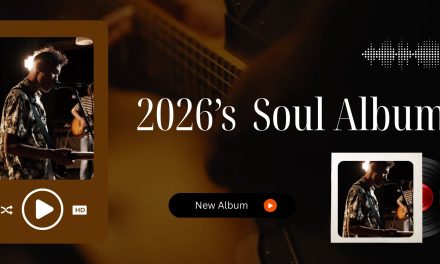
Talent has never been enough in the music industry. Every week, unbelievably gifted artists upload songs that disappear into the digital void five minutes later while somebody whispering over a ukulele somehow lands three million streams. The modern music industry can feel deeply unserious sometimes.
For emerging soul artists especially, breaking through now involves far more than simply making good music. Between industry gatekeeping, online visibility battles, financial pressure, and mental exhaustion, many artists find themselves fighting to survive long before they ever reach mainstream recognition. This piece explores the biggest challenges new soul artists face and how many are learning to navigate them independently.
Industry Barriers
One of the biggest obstacles facing emerging artists is visibility. Traditional music industry systems still heavily favor artists with label backing, strong industry connections, or large marketing budgets, making it difficult for independent musicians to compete for attention.
For many soul artists, streaming platforms create both opportunity and frustration. Platforms like SoundCloud and Bandcamp allow musicians to release music independently, but the sheer volume of uploads makes standing out incredibly difficult.
Social media has partially changed the game. Artists increasingly use platforms like Instagram and TikTok to build audiences organically through live sessions, short performances, and behind-the-scenes content. In many cases, consistent online presence now matters almost as much as the music itself.
Networking also remains critical. Local music meetups, online artist communities, and collaborative spaces often create opportunities that labels once controlled exclusively. Many independent soul artists now build careers through community support long before industry recognition arrives.
Personal Struggles
Beyond industry pressure, many emerging artists quietly battle personal struggles that affect creativity, confidence, and consistency.
Financial instability remains one of the hardest realities for independent musicians. Recording costs, marketing expenses, equipment, and inconsistent income can quickly drain motivation, especially during the early stages of building a career.
Mental health challenges also affect many artists navigating constant comparison, public visibility, and creative pressure. Social media has intensified this further by turning artistic growth into a nonstop performance metric measured through streams, followers, and engagement numbers.
Because of this, many artists increasingly prioritize mentorship, creative communities, and self-care alongside music development. Online groups, workshops, and collaborative spaces can provide emotional support while helping artists sharpen their craft and industry understanding.
Simple habits like maintaining routines, protecting creative rest, and stepping away from constant online pressure often become just as important as vocal training or songwriting practice.
Conclusion
Breaking into the soul music industry requires far more than talent alone. Emerging artists must navigate industry barriers, digital competition, financial pressure, and personal struggles while still finding ways to create authentic music consistently.
Yet despite these challenges, many independent soul artists continue building careers through community, creativity, and persistence. In today’s industry, resilience may be just as valuable as artistry itself.
What do you think is the hardest part of surviving as a new artist today: the industry pressure or the personal pressure behind the scenes? Tell us in the comments, and keep exploring the realities of modern soul music with DLK Soul!