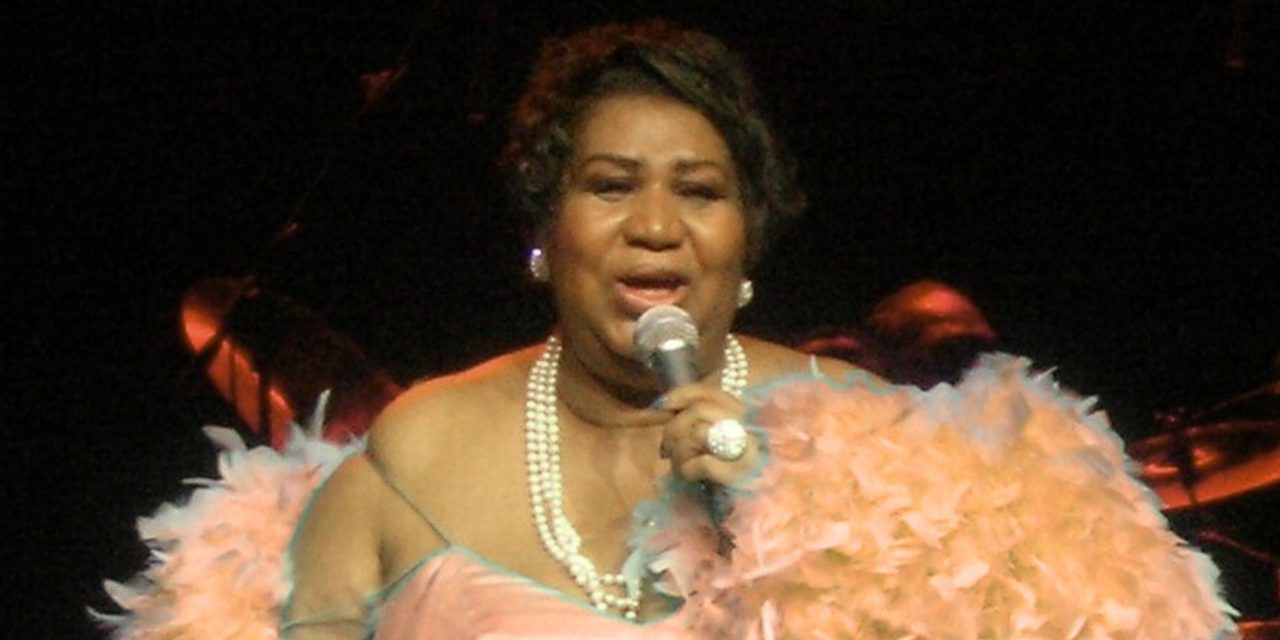
Few voices have commanded a room like Aretha Franklin’s. Her ability to turn raw feeling into pure authority set her apart-not just as a singer, but as a force. From gospel-soaked beginnings to anthems that shaped a movement, her journey reveals how technique, timing, and truth can fuse into unmatched emotional power.
Introduction: Defining Emotional Authority
Aretha Franklin established emotional authority by combining gospel-trained melisma with interpretive depth that turned every performance into shared emotional catharsis. Her approach went beyond technique into genuine human connection. She made listeners feel the weight of every word.
Franklin possessed a three-octave range that moved from intimate whispers to full-throated belts. This dynamic control allowed her to shape songs with precision and power. Her signature melismatic phrasing became a hallmark of soul music that influenced generations of singers.
The 1967 transition to Atlantic Records marked a pivotal moment in her career. There she found artistic freedom that Columbia Records had not provided. Her subsequent 18 Grammy wins reflected both commercial success and critical recognition of her vocal mastery.
This article traces how Franklin built emotional authority through her recordings, live performances, and lasting cultural impact across decades of work.
Early Life and Formative Influences
Born in Memphis and raised in Detroit, Franklin absorbed vocal authority through her father’s New Bethel Baptist Church pulpit and early Columbia sessions with producer John Hammond. The city’s tight knit Black church network shaped her earliest sense of presence. Sermons delivered by Reverend C.L. Franklin circulated on records and trained her ear for dramatic timing.
Columbia’s 1961-1966 contract produced ten albums. Those sessions required her to temper gospel phrasing in favor of smoother pop arrangements. The experience taught her how control over material directly affects emotional delivery and audience connection.
Even within those limits she developed the interpretive depth that later defined her Atlantic work. Franklin learned to balance commercial expectations with her natural vocal power. This tension became central to the artistic sovereignty she claimed throughout her career.
Detroit’s church culture remained her foundation. The rhythmic phrasing and call and response patterns she absorbed there traveled with her into every recording studio. Those roots gave her the emotional authenticity listeners still recognize across decades of soul music.
Church Roots and Gospel Training
Franklin’s gospel training at New Bethel Baptist produced the vocal stamina and melismatic runs heard on her 1972 double album Amazing Grace, recorded live over two nights at New Temple Missionary Baptist Church. Sunday choir rehearsals began when she turned nine. The group worked through Thomas Dorsey arrangements that demanded precise timing and rich harmonic support.
Nightly listening sessions with Mahalia Jackson and Clara Ward 78s sharpened her sense of phrasing. She studied how each singer bent notes to convey conviction. Those repeated plays trained her ear for the subtle shifts that create genuine audience connection during live performance.
Weekly solo performances built endurance for extended sets. Franklin learned to sustain intensity across forty five minutes without losing emotional range. This discipline carried directly into her later recordings and stage appearances.
The 1972 album reached two million units sold and held the Billboard 200 chart for two weeks. Those numbers showed how gospel authority could cross into mainstream markets while keeping its raw spiritual core intact. Franklin carried that same vocal leadership into her secular work at Atlantic Records.
Conclusion
Aretha Franklin’s emotional authority did not begin with fame.
It began in church pews, choir rehearsals, and years of disciplined listening. It grew through observation, repetition, and an extraordinary understanding of how emotion moves through sound.
That foundation made everything else possible.
By the time the world met the Queen of Soul, the power was already there. The world was simply catching up.
Ever heard Aretha Franklin sing one line and immediately think, well… everyone else may as well pack up and go home? That kind of power cannot be taught. Stay tuned to DLK Soul as we keep unpacking the voices, moments, and magic that made soul music timeless.