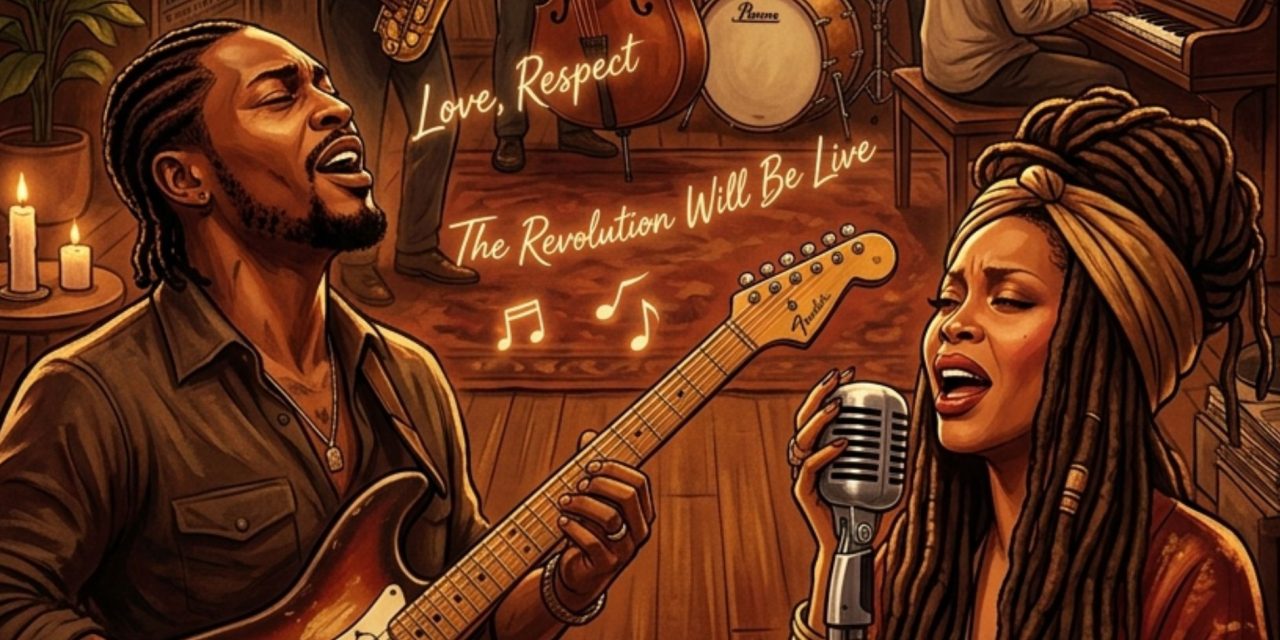
Neo-soul sounded almost rebellious when it first emerged in the late 1990s. At a time when mainstream R&B leaned heavily into glossy production and commercial polish, neo-soul artists embraced live drums, warm basslines, raw vocals, and emotionally messy songwriting instead.
Artists like D’Angelo and Erykah Badu helped create a movement that felt deeply organic, blending jazz, hip-hop, funk, and classic soul into a sound that still influences modern R&B decades later. This piece explores how neo-soul emerged, the elements that defined its sound, and why its influence still echoes throughout contemporary R&B today.
Core Elements and Influences
Neo-soul stood apart because it sounded alive. Instead of relying heavily on drum machines and synthetic production, artists leaned into live basslines, warm keyboard textures, live drum breaks, and imperfect grooves that felt intentionally human.
The genre blended:
- jazz fusion
- classic soul
- funk
- hip-hop swing
- quiet storm influences
into something both nostalgic and modern.
Musicians frequently used minor 9th chords, half-time rhythms, and looser swing patterns inspired by players like Questlove. Songs often sat between 75 and 95 BPM, creating laid-back grooves that felt intimate without losing rhythmic depth.
Production philosophy mattered just as much as sound. Neo-soul artists rejected overly polished textures and embraced grit, warmth, and emotional imperfection. Albums like Voodoo became famous for painstaking organic recording processes that prioritized feel over perfection.
Compared to today’s alt-R&B, neo-soul relied far more on live musicianship and jazz-inspired arrangements rather than atmospheric electronics or trap production.
The Artists Who Defined the Movement
D’Angelo’s Voodoo, Erykah Badu’s Baduizm, and Maxwell’s Urban Hang Suite became defining blueprints for the genre. These albums fused soulful vocals, jazz harmony, hip-hop rhythm, and emotional vulnerability into a sound that felt radically different from mainstream R&B at the time.
Artists like Jill Scott and Musiq Soulchild expanded the movement further through storytelling-heavy songwriting, conversational vocals, and emotionally grounded love songs.
Meanwhile, India.Arie brought acoustic soul influences that softened the genre even further, proving neo-soul could feel intimate without losing groove.
What made these artists special was not just technical skill. It was restraint. Their music allowed silence, space, and emotional nuance to breathe naturally instead of constantly chasing loud production or instant hooks.
That patience gave neo-soul its timeless quality.
Why Neo-Soul Still Feels Fresh
Neo-soul’s influence still shapes modern R&B today. Artists like SZA, Frank Ocean, and countless alternative R&B acts continue borrowing its emotional honesty, laid-back pacing, and genre-blending approach.
Even now, neo-soul feels refreshing because it prioritized atmosphere, musicianship, and emotional truth over trends. In an era obsessed with algorithm-friendly speed and instant hooks, neo-soul reminds listeners that slower, warmer, and more human music often leaves the deepest impact.
Conclusion
Neo-soul emerged as a rebellion against overly polished R&B, but its influence became far bigger than a temporary movement. Through live instrumentation, jazz-inspired harmony, emotional storytelling, and organic production, artists like D’Angelo and Erykah Badu reshaped modern soul music permanently.
Decades later, the genre still sounds timeless because authenticity never really goes out of style.
Which neo-soul artist or album still hits your soul every single time you hear it? Tell us in the comments, and keep diving into the evolution of real soul music only at DLK Soul!


