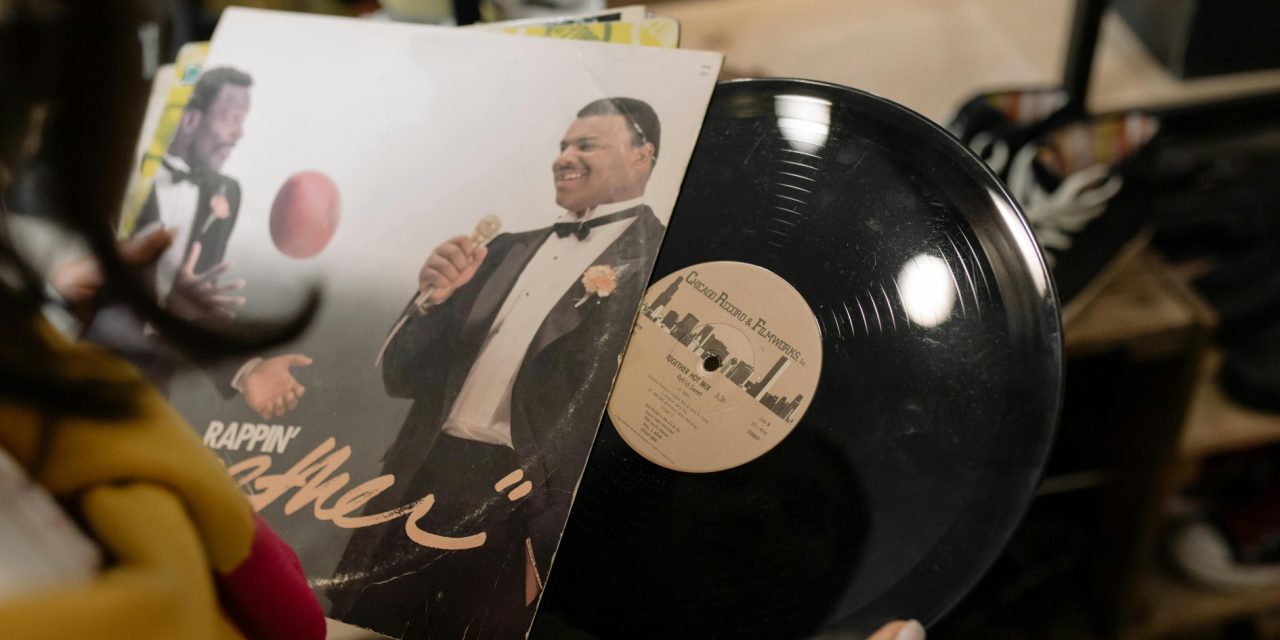
Classic soul albums have a quiet way of refusing to age. They sit on shelves, playlists, and sample libraries, still doing emotional damage decades later. You can change formats, platforms, and production tools, but those records keep showing up uninvited in modern music conversations.
What makes their staying power impressive is not nostalgia alone. It’s useful. These albums continue to function as reference points for feeling, arrangement, and storytelling, even in a digital-first music economy that rarely slows down long enough to listen properly.
Inspiration for Contemporary Artists
Classic soul remains a creative backbone for contemporary artists because it delivers something modern production often struggles to recreate: emotional clarity. Many artists draw from soul through sampling, covers, and stylistic callbacks, not to imitate, but to reconnect with a language that listeners instinctively trust. The genre’s emphasis on honesty, restraint, and melody gives modern musicians a framework that still feels human.
Silk Sonic is a clear example of this dialogue between eras. Bruno Mars and Anderson. Paak did not simply recreate 1970s soul aesthetics for effect. They borrowed its discipline. Tight arrangements, expressive vocals, and space between notes all echo classic soul principles while allowing their own personalities to remain front and center. The result feels familiar without feeling trapped in tribute.
Artists like Lizzo approach soul influence differently, weaving classic samples and vocal phrasing into contemporary pop structures. These choices introduce younger audiences to older emotional vocabularies without demanding historical knowledge. The past becomes usable again, not preserved behind glass.
Cross-Generational Influence and Cultural Continuity
Beyond individual artists, classic soul albums continue shaping how music culture understands longevity. These records demonstrate that impact is not created through volume or speed, but through resonance. Producers, songwriters, and vocalists repeatedly study soul albums to understand pacing, narrative flow, and how restraint can carry more weight than excess.
Reinterpretations of classic soul also encourage collaboration across generations. When modern artists reference or work alongside legacy musicians, the genre avoids fossilization. Instead, it evolves through conversation. This exchange strengthens music culture by reminding listeners that innovation does not require abandonment of emotional roots.
In this way, classic soul albums act less like museum artifacts and more like working manuals. They teach structure, patience, and emotional responsibility, qualities that remain valuable regardless of era or genre.
Conclusion
The legacy of classic soul albums is not sustained by nostalgia alone, but by continued relevance. These records still inform how artists write, produce, and perform because they solved problems that modern music still faces. Emotional honesty, musical economy, and lasting connection are not outdated challenges.
As long as contemporary artists continue borrowing from soul’s emotional intelligence rather than just its surface aesthetics, the genre’s influence will remain active. Classic soul does not demand preservation. It demands listening.
What would change in your listening habits if you approached modern soul through the emotional discipline of its classics? DLK Soul explores how legacy, storytelling, and restraint continue shaping the soul music that actually lasts.