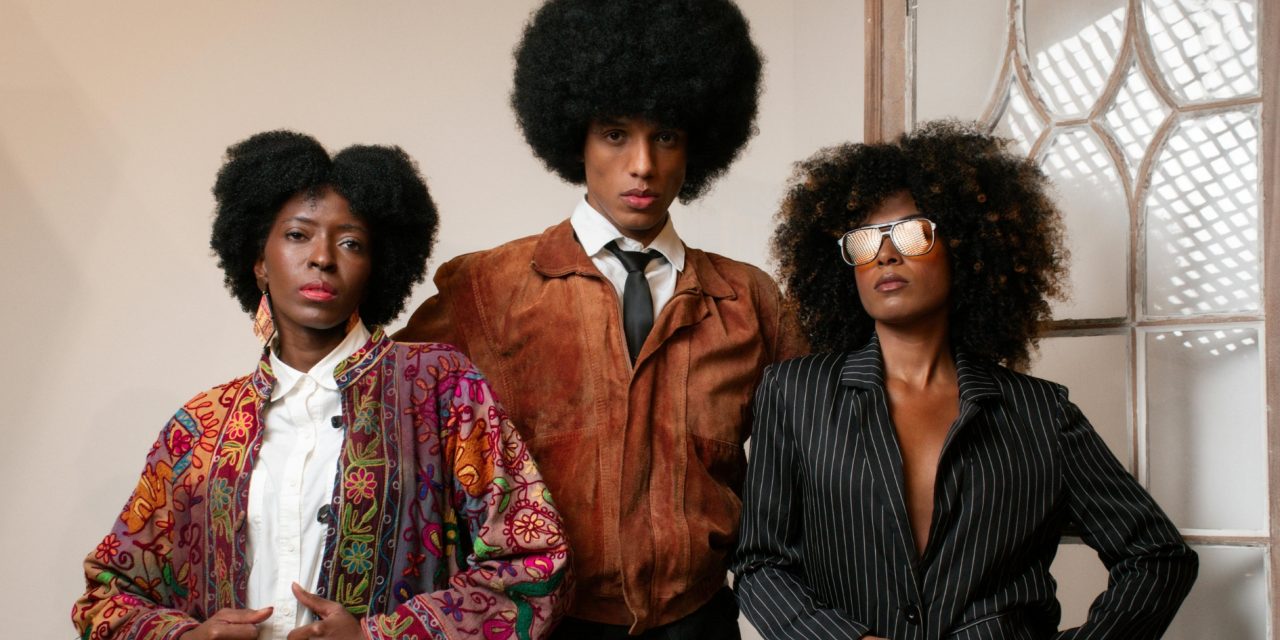
Long before the 1970s became a visual reference point, it was defined by sound. Soul music shaped the decade’s emotional language, setting expectations for warmth, expression, and visible feeling that extended beyond records into fashion, art, and media. The music made room for color, texture, and imperfection, values that quietly guided how the era presented itself to the world.
What looks like a sudden revival of 70s aesthetics is really a return to those same emotional cues. As modern culture grows increasingly minimal and digital, the visual language influenced by soul-era expression is resurfacing. The retro vibe endures not as nostalgia, but as a reminder that personality, warmth, and human imperfection still communicate more powerfully than polish alone.
Fashion Trends and Style Influences
Modern fashion has embraced the 1970s not as a novelty, but as a functional design language that still works on real bodies. High-waisted jeans, flared silhouettes, and expressive prints have moved from runway nostalgia into everyday wardrobes. Reports show high-waisted flares alone seeing a 65 per cent sales increase, with brands like Levi’s and Free People leading the charge by staying close to original cuts rather than parodying them.
Psychedelic prints have also returned, this time with sharper tailoring and contemporary fabrics. Designers such as Gucci and Etro reintroduce bold color stories that echo the era without feeling dated, while celebrities like Harry Styles help normalize expressive dressing for a broader audience.
Platform shoes, once considered impractical relics, now signal confidence and visual presence rather than excess. Together, these trends show that 70s fashion succeeds today because it prioritizes character over restraint.
Visual Arts, Media, and Music Aesthetics
Beyond clothing, the 70s aesthetic has deeply influenced how modern culture looks and feels on screen, on paper, and in sound. Films like Once Upon a Time in Hollywood demonstrate how set design, color grading, and costume can recreate atmosphere rather than simply reference an era. The result feels immersive, not referential, which is why audiences respond to it emotionally.
Advertising and graphic design have followed suit. Campaigns like Old Spice’s recent work lean into vintage typography and bold color palettes, borrowing confidence from a time when design was unapologetically loud.
Museums and galleries, including exhibitions at MoMA, highlight psychedelic visuals and pop-culture references rooted in 1970s experimentation. Music visuals and album artwork echo the same cues, reinforcing how retro aesthetics now function as a shared cultural shorthand for warmth, freedom, and authenticity.
Conclusion
The revival of 70s aesthetics works because it offers what modern culture quietly craves: personality, imperfection, and emotional visibility. Whether through fashion silhouettes, visual storytelling, or design language, the era’s influence continues to shape how people express identity and nostalgia without freezing themselves in the past. This isn’t about reenactment. It’s about borrowing tools from a time that understood how to feel loudly and live visibly.
What does the return of 70s aesthetics say about what today’s culture feels is missing right now? DLK Soul explores how retro influences continue shaping modern expression, identity, and emotional storytelling across music and culture.