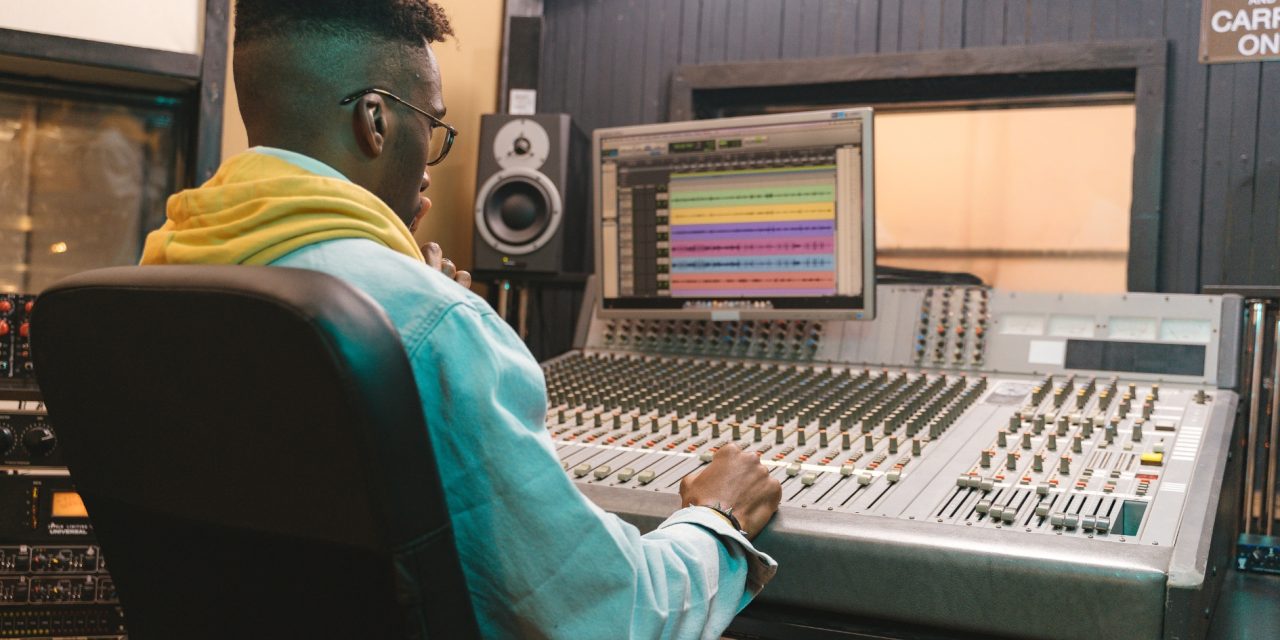
Sampling in modern music is no longer about recycling familiar sounds for convenience. Today, it works more like translation, carrying emotional memory from one era into another without losing relevance. Listeners might recognize fragments of the past, but the best sampled tracks feel current, intentional, and alive.
This article looks at a few modern tracks as case studies to show how sampling functions as a creative bridge. Rather than nostalgia for its own sake, these songs demonstrate how classic material is reshaped to speak to contemporary audiences.
Reframing Classics Through Modern Production
Anderson .Paak’s “Come Down” is a strong example of sampling used as texture rather than centerpiece. By drawing from Ann Peebles’ “I Can’t Stand the Rain,” the track carries a familiar warmth while still sounding modern and kinetic. The sampled horn elements inject groove and character, reinforcing the song’s upbeat, funky energy without overwhelming its original structure.
What makes this approach effective is restraint. The sample is recognizable but not dominant, allowing Anderson .Paak’s vocal performance and modern rhythm section to take the lead. The result feels both respectful and inventive, showing how sampling can honor soul influences while pushing contemporary sound design forward.
A similar strategy appears in Childish Gambino’s “Redbone.” Inspired by Ronald Isley’s “Love Ballad,” the track borrows melodic DNA rather than direct imitation. That haunting melodic contour adds emotional weight and urgency, anchoring the song’s modern themes in a deeper musical lineage.
How Familiar Riffs Create New Cultural Momentum
Sampling also plays a role in reconnecting audiences with older music they may not actively seek out. Classic riffs often act as entry points, drawing listeners into new songs while quietly reviving interest in their sources. This technique bridges generational gaps without feeling forced or instructional.
Billie Eilish’s “Bad Guy” uses a bass line that echoes the energy of “Seven Nation Army” by The White Stripes. While not a direct lift, the resemblance creates instant familiarity, making the track accessible while still unmistakably modern. Younger listeners encounter the groove first, then discover its lineage later.
Drake’s “In My Feelings” works similarly by referencing Lil Wayne’s “Lollipop.” That opening riff carries cultural memory, reintroducing the original track to new listeners while reinforcing Drake’s connection to hip-hop’s recent past. In both cases, sampling functions as cultural continuity rather than repetition.
Conclusion
These case studies show that modern sampling succeeds when it treats classic material as living language, not archival material. Artists who understand this use samples to add emotional depth, historical context, and sonic familiarity without sacrificing originality.
Rather than closing chapters, sampling opens conversations between eras. When done thoughtfully, it keeps musical heritage active, relevant, and evolving — allowing past sounds to continue shaping the present in meaningful ways.
Which modern song made you go back and rediscover the original it sampled? Share your picks in the comments and keep exploring how past and present collide through music at DLK Soul.