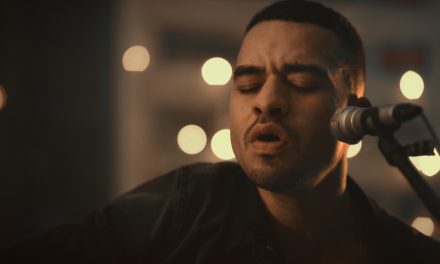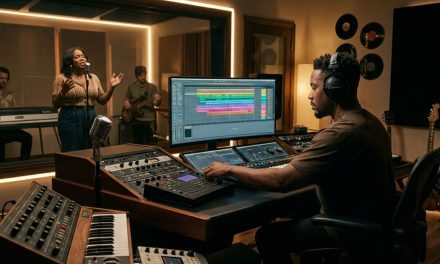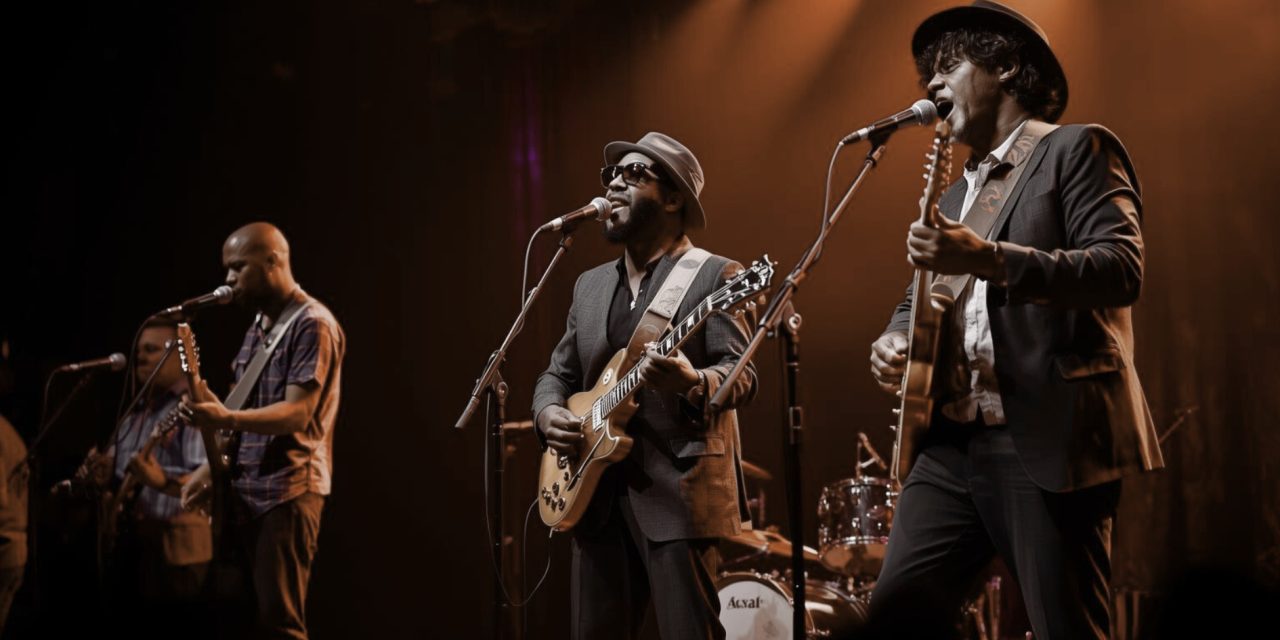
The current soul revival shows its real strength when artists step on stage, not when they hit upload. Live shows have become the space where modern soul proves it is not just nostalgia with better marketing. These performances trade polish for presence, reminding audiences that soul music works best when it breathes, stretches, and occasionally ignores the clock. If the room feels different afterward, that is the point.
Rather than recreating studio perfection, today’s soul artists use live settings to deepen emotional connection. The focus is not spectacle, but intention, musicianship, and shared experience between artist and audience.
Why Live Performance Has Become the Headline Act
Modern soul artists are bringing band-first approaches back into clubs and theaters. Real drums create pocket and restraint, bass lines carry melody, and keys leave intentional space rather than filling every second. Background vocals feel communal, more like family than backing tracks. These elements shift attention from production tricks to musical conversation.
Live arrangements often expand beyond recorded versions. A two-minute vamp allows the room to settle into the groove, while a key change can transform a quiet confession into a bold declaration. These moments give audiences time to process emotion rather than simply consume it. People leave shows feeling altered, not overstimulated, which explains why live soul performances are gaining renewed cultural weight.
How the Industry Ecosystem Is Adjusting Around Live Soul
The broader music ecosystem is slowly responding to what fans already understand. Labels, venues, and brands are recognizing that excellence and musicianship still draw crowds. Smaller venues are upgrading backline equipment to attract band-driven acts, while festivals are reserving prime sunset slots for narrative-focused performances.
Sync supervisors are also paying attention, seeking songs with lyrical depth because they translate better to visual storytelling. At the same time, artists are building direct relationships with audiences through email lists, memberships, and limited vinyl releases. This financial stability allows them to take creative risks without chasing algorithms. Live performance becomes both artistic expression and economic foundation.
Conclusion
Live soul shows have become more than promotional tools; they are now the core of the genre’s revival. Intimacy, musicianship, and emotional honesty are driving renewed interest and long-term loyalty. As the industry continues to adjust, these performances are shaping how soul music is created, experienced, and valued. The stage is no longer a supplement to the record; it is where the music fully becomes itself.
When was the last time a live soul performance made you slow down and really listen? See how today’s soul artists are changing live music on DLK Soul, where depth still leads.