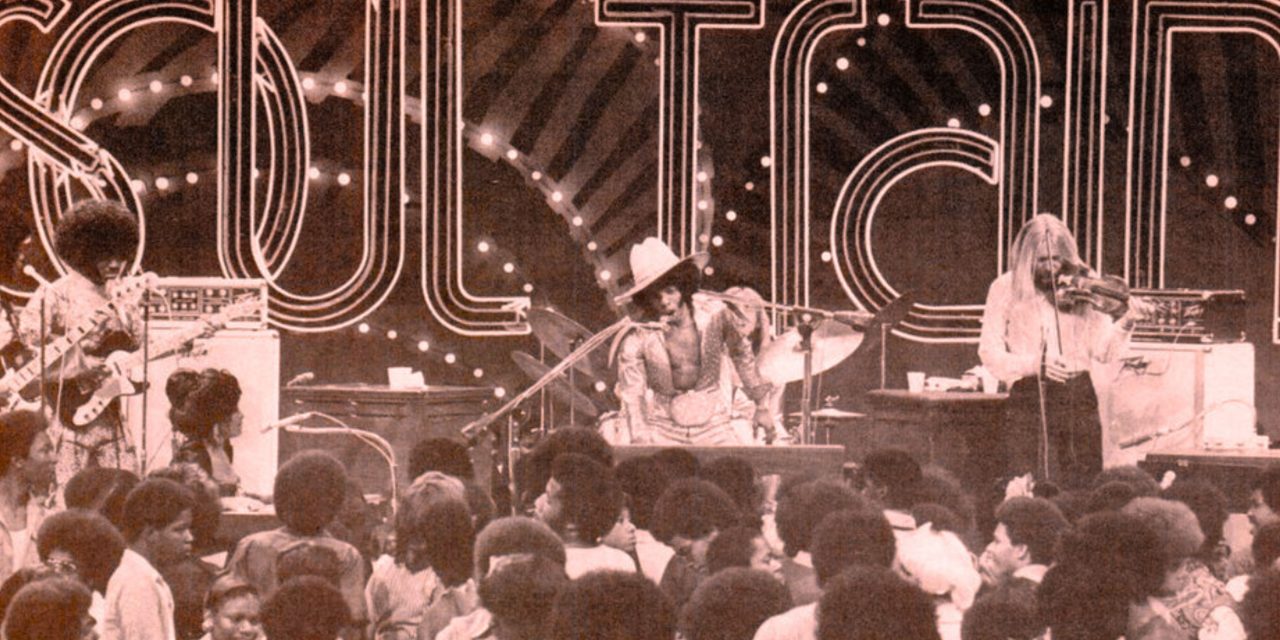
Before social media, before viral dance trends, and long before everyone became their own content creator, there was Soul Train. If you wanted to know what was hot in music, fashion, dance, and culture, you did not scroll—you tuned in. Week after week, the show delivered more than performances and choreography. It captured movement, style, confidence, and community in real time.
What made Soul Train remarkable was not just the music. It was how the show documented Black culture with care and consistency, preserving moments that might otherwise have disappeared. From iconic performances to regional dance styles and unforgettable fashion, the program became something far greater than a television show. It became a cultural archive in motion.
Origins and Format
Soul Train launched on October 2, 1971, on WCIU-TV in Chicago as a 30-minute syndicated program hosted by Don Cornelius. What began as a local television experiment quickly grew into a national phenomenon, reaching 88 markets by 1973.
Its rapid expansion reflected a clear demand for programming centered on Black music, Black joy, and Black creative expression during a period when such representation remained limited on mainstream television.
The show ran for an extraordinary 35 years, ending in March 2006. By 1974, the format expanded from 30 minutes to a full hour, creating more room for live performances, artist interviews, and extended dance segments. That extra time allowed the show to fully immerse viewers in the culture rather than simply present isolated performances.
Its original production budget was around $100,000, modest by industry standards but enough to launch something groundbreaking. The first guest lineup included Jerry Butler, The Emotions, and Eddie Kendricks. These early appearances immediately established the show as a serious platform for major talent.
But Soul Train was never just about the artists on stage. The real magic often happened on the dance floor. Every episode captured the way people moved, dressed, and expressed themselves. In doing so, the show preserved evolving dance styles, regional influences, and everyday cultural rituals that rarely received mainstream attention. Week after week, it created a visual time capsule of Black expressive culture.
More Than Entertainment: A Cultural Archive in Motion
What made Soul Train so powerful was its ability to document culture in ways traditional archives often miss. Museums may preserve clothing, magazines may capture trends, and radio may preserve songs. But Soul Train preserved movement. It showed how music was lived.
The iconic Soul Train Line became one of the show’s most recognizable features. Dancers formed two lines while individuals moved down the center, bringing their best moves, style, and personality. It looked fun—and it was—but it also served as an evolving visual record of changing dance trends across decades.
The show also preserved fashion in striking detail. Bell-bottoms, afros, platform shoes, leather sets, sequins, oversized collars, gold chains—each era brought its own visual language. These style choices reflected far more than aesthetics. They communicated identity, confidence, rebellion, and cultural pride.
Conclusion
At first glance, Soul Train may look like a classic music and dance show from another era. But its true significance runs much deeper. It preserved the sounds, movements, styles, and social rhythms of generations.
Few shows have managed to archive culture as naturally and powerfully as Soul Train. It gave Black music and expression a platform while quietly documenting the creative heartbeat of an era. Its legacy continues to shape dance, music television, and cultural storytelling today.
If this made you want to throw on some old-school soul and attempt a Soul Train line in your living room, you are not alone. Stay tuned—we’ll soon dive into the iconic performances, unforgettable dance trends, and legendary moments that made Soul Train pure magic. Only on DLK Soul!