What do Bruno Mars, Amy Winehouse, and Anderson.Paak have in common?
Their music may sound distinctly modern, but listen closely and familiar elements from soul begin to surface. Rich instrumentation, rhythmic grooves, expressive vocals, and carefully shaped harmonies still have a place in contemporary music.
That is the interesting part of soul’s musical legacy. Its instruments and techniques did not remain trapped in the recordings of earlier generations. Their influence travelled into hip-hop, R&B, pop, and other modern sounds.
Artists today are not simply reproducing those older sounds either. They are taking familiar musical ideas, combining them with contemporary influences, and creating something that feels current while still carrying traces of soul.
Influence on Modern Music
Soul music has had a profound influence on modern music, with its instrumental and musical elements appearing throughout hip-hop, R&B, and pop.
Artists such as Bruno Mars and Amy Winehouse demonstrate how these traditions can be incorporated into distinctive modern sounds.
Bruno Mars, for instance, channels Motown influences in songs such as “Treasure.” The track uses lush harmonies and rhythmic grooves that recall the polished, energetic sound associated with that era.
Amy Winehouse takes a different approach in “Back to Black.” Its rich instrumentation and heartfelt lyricism reflect the emotional depth long associated with soul legends such as Aretha Franklin.
These examples show that soul’s influence is not limited to copying particular songs or arrangements. Vocal techniques, chord progressions, instrumentation, and rhythmic choices can all carry elements of that musical tradition into new work.
Contemporary artists can therefore honour earlier soul musicians while still developing sounds that belong to their own generation.
Continuing Evolution of Sound
The sound associated with soul continues to change as musicians embrace new technologies and musical influences.
Traditional elements can now be combined with electronic music, hip-hop, and pop, creating arrangements that would have been difficult to produce in earlier eras.
Anderson.Paak offers one example of this approach. He blends soulful melodies with contemporary beats, creating a sound that connects familiar musical qualities with modern production.
Technology has also changed how artists create and share their music. Digital tools allow musicians to experiment with sounds, arrangements, and production techniques without abandoning the musical foundations that influenced them.
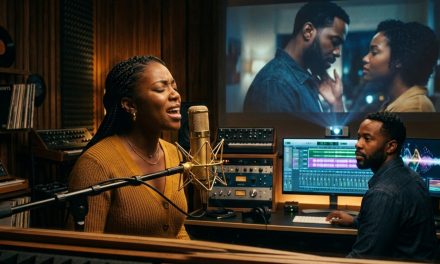
Digital audio workstations such as Ableton Live and FL Studio give musicians space to experiment with new sounds and production approaches. These tools add another layer to the evolution of soul-inspired music.
Artists such as Lizzo also use technology and social media to connect with audiences. Behind-the-scenes content and livestreamed performances can make that relationship feel more immediate.
The result is not a replacement for the instruments and techniques associated with soul. Instead, modern technology gives musicians more ways to reinterpret them.
Conclusion
The legacy of soul instruments can be heard well beyond classic soul recordings. Their influence remains present in the harmonies, grooves, vocal approaches, and arrangements used by modern artists.
As technology and musical styles continue changing, those foundations can take on new forms. The sound may evolve, but the musical ideas behind it continue finding their way into fresh compositions.
What will soul’s familiar sounds become when the next generation of artists gets hold of them? DLK Soul follows the music, artists, and sounds carrying that legacy into whatever comes next.