Some cities are famous for skylines. Others are famous for sports teams. And then there are cities like Detroit, where a few opening notes can tell you exactly where you are.
Long before streaming algorithms decided what you should hear next, cities shaped music in ways that felt deeply human. Detroit, Philadelphia, and Atlanta did not just produce soul hits—they built entire sonic identities. Each city gave soul music its own attitude, texture, and emotional language. And if soul had a true production line, Detroit built the original blueprint.
This first chapter starts where polish met passion, and where soul music learned how to conquer the world.
Detroit: Motown’s Birthplace
Detroit in the 1960s transformed from an industrial powerhouse into the beating heart of soul music through Motown. The city’s large population of Black migrants from the South brought gospel roots, church harmonies, and rhythm-and-blues traditions that found fresh expression in urban neighborhoods. These sounds shaped a cultural memory that still resonates with listeners today.
Motown created crossover soul that reached Black and white audiences alike, breaking barriers while dominating charts. The label defined a sound built on tight vocal harmonies, polished arrangements, and emotionally rich songwriting. Artists like Marvin Gaye and Stevie Wonder carried Detroit’s innovations into the decades that followed.
The Great Migration had brought thousands of families into Detroit neighborhoods where church choirs, street-corner harmonies, and local talent shows were woven into daily life. Block parties and neighborhood clubs became training grounds for young performers eager to be heard. That energy eventually poured into studios that would produce some of the most beloved songs in music history.
Motown’s success also established a blueprint for Black-owned record labels across America. Its focus on artist development, consistency, and professionalism raised the bar for the entire industry. Detroit’s role in preserving this legacy ensures later generations can still feel the power of this remarkable era.
Berry Gordy’s Vision
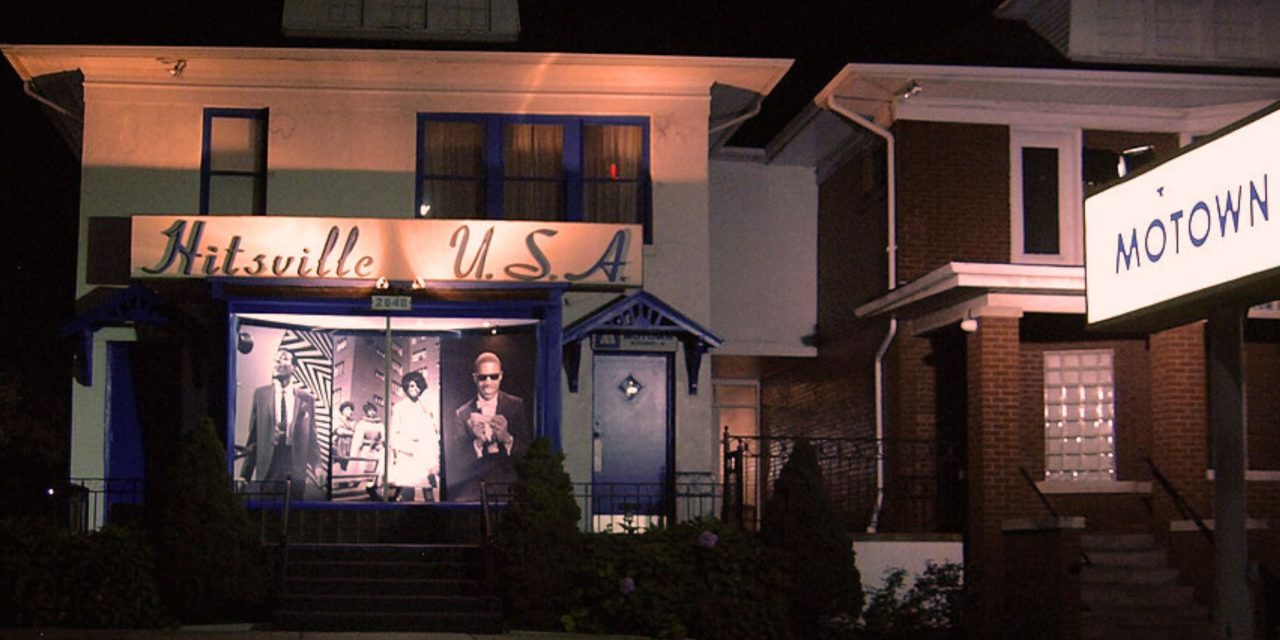
Berry Gordy launched Motown in January 1959 with an $800 family loan and turned 2648 West Grand Boulevard into the legendary Hitsville U.S.A. He approached music with the same discipline he learned from Detroit’s automotive assembly lines. To Gordy, hit records were not accidents—they were built.
He developed a system that balanced creativity with structure. The legendary songwriting team of Holland-Dozier-Holland delivered a steady stream of hits. Weekly quality-control meetings determined which songs were strong enough for release. Even artist presentation mattered, with etiquette and choreography training preparing performers for television and national audiences.
When The Supremes appeared on The Ed Sullivan Show in 1964, their polished performance reflected this vision perfectly. Everything from posture to movement had been refined. Gordy understood that talent alone was not enough—presentation mattered too.
His methods showed that discipline and creativity could work hand in hand. During the 1960s, Motown became a powerful symbol of Black excellence, entrepreneurship, and artistic achievement during a period of enormous social change.
Iconic Recording Studios
Studio A at Hitsville U.S.A. recorded more than 90 percent of Motown’s early catalog using a custom 8-track board built by engineer Mike McClain. The room itself was modest, measuring roughly twenty-two by twenty-six feet, but what happened inside was anything but small.
This was where the magic happened.
Using two Neumann U-47 microphones for vocals, countless legendary performances were captured. The house band, The Funk Brothers, often recorded instrumental tracks in single takes. Their chemistry created the groove-heavy foundation that defined the Motown sound.
The Temptations recorded My Girl in Studio A on September 25, 1964. Sessions moved quickly because the musicians operated like a finely tuned machine. Songwriters, producers, and performers worked closely together, allowing ideas to move rapidly from concept to finished record.
The physical layout encouraged collaboration at every level. Creativity moved fluidly between rooms, feeding the consistent quality Motown became known for. Today, Hitsville U.S.A. remains one of music’s most treasured landmarks, giving visitors a direct connection to the birthplace of countless classics.
Conclusion
Detroit did far more than produce hit records—it built a sound that reshaped popular music. Through Motown, the city transformed gospel roots, neighborhood talent, and industrial discipline into something timeless.
The result was music that crossed borders, generations, and cultures.
Detroit gave soul music polish, precision, and unforgettable emotion. But Detroit was only the beginning. The story of soul’s greatest cities continues with two more powerful chapters, each with its own signature sound and cultural imprint.
Detroit may have built the blueprint, but trust us—the story gets even better from here.
Next stop: Philadelphia, where soul got smoother, richer, and dressed in orchestral luxury. After that, we head to Atlanta, where soul evolved into something bold, modern, and impossible to ignore. Stay tuned—this musical road trip is just getting started, only on DLK Soul.