R&B continues to evolve, not just in sound but in how artists connect with audiences. From immersive concerts to personalized listening, emerging technologies could change how fans experience soul and R&B. For artists hoping toe build lasting connections, understanding these R&B music trends offers a starting point for exploring new possibilities.
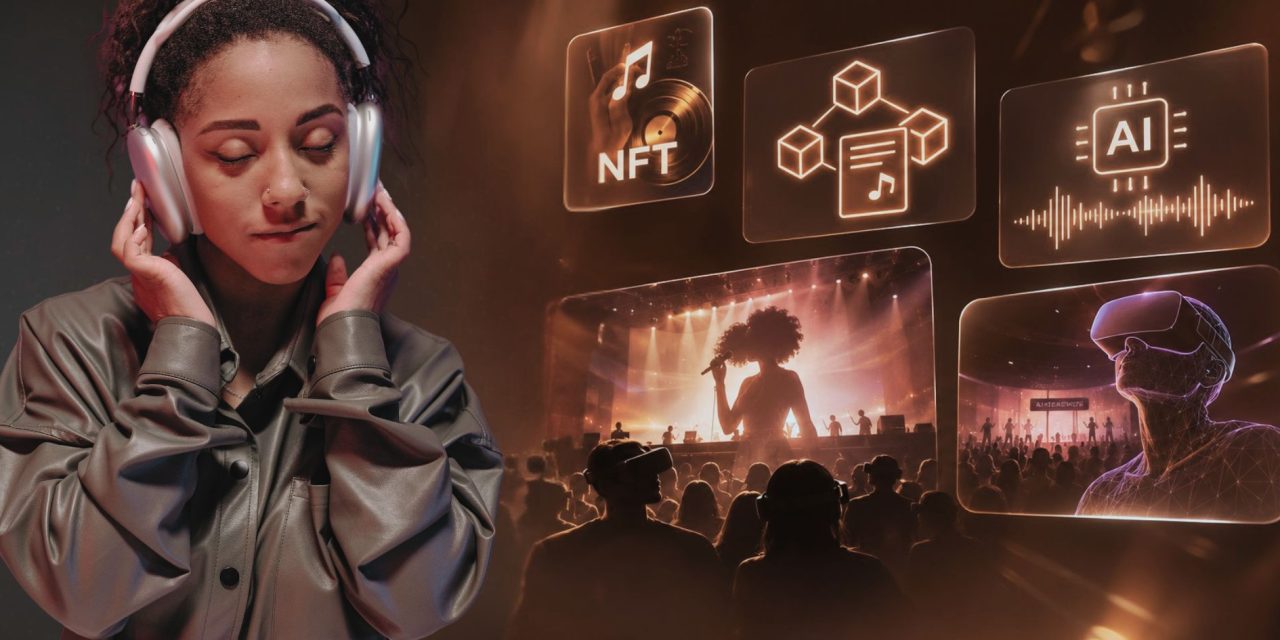
Today’s R&B fans still value expressive vocals, emotional depth, strong songwriting, and distinctive production. However, younger listeners are also discovering new ways to engage with music and the people behind it. Virtual reality (VR) concerts, NFT drops, Web3 royalties, AI mood personalization, and metaverse festivals could offer fresh ways to combine musical creativity with fan experiences.
1. VR Concerts for Immersive Experiences
Virtual reality concerts could give R&B artists new ways to create intimate, visually striking performances. Instead of watching a traditional concert recording, fans could enter a digital environment designed around the music’s mood, visuals, and storytelling.
Travis Scott’s virtual performance in Fortnite demonstrated the potential reach of digital concerts, attracting 12.3 million concurrent players in 2020. Although it wasn’t a conventional VR concert, the event showed how artists could bring large audiences together through interactive digital experiences.
For R&B artists, the possibilities extend beyond impressive visuals. Imagine a performance featuring silhouettes, atmospheric lighting, live piano, layered harmonies, and immersive surroundings. These elements could complement the music without distracting from the vocals.
The key is to make the experience feel personal. R&B thrives on emotional connection, so virtual performances should preserve the intimacy that makes a song memorable. Artists could experiment with interactive storytelling, exclusive performances, or alternative versions of their songs.
2. NFT Drops for Exclusive Fan Experiences
NFT drops offer another way for artists to connect with fans through exclusive digital collectibles and experiences. Depending on how a release is structured, these could include limited-edition artwork, music-related visuals, behind-the-scenes content, or access to special events.
Kings of Leon explored this approach in 2021 with NFT Yourself, a collection launched alongside their album When You See Yourself. The release demonstrated how digital collectibles could become part of an album campaign, giving fans additional ways to engage with an artist’s work.
For contemporary R&B, this model could suit artists whose music has a strong visual identity or whose audiences enjoy interpreting lyrics and uncovering creative details. A release might feature alternative artwork, handwritten lyrics, studio footage, or exclusive listening sessions.
Mystery could also play a role. Carefully planned teasers and limited releases might encourage fans to follow an album’s story and discuss its meaning. However, an NFT’s scarcity doesn’t automatically make it valuable, and digital collectibles can carry financial risks.
The opportunity lies in offering something meaningful beyond ownership. Fans are more likely to see value when an exclusive release provides a genuine connection to the music or artist.
3. Web3 Royalties for Fairer Artist Payments
For independent R&B artists, earning a sustainable income remains an important challenge. Web3 royalties explore how blockchain technology and smart contracts might improve the recording, tracking, and distribution of payments.
In principle, these systems can document certain transactions and automate payments when agreed conditions are met. That could help artists and collaborators manage revenue-sharing arrangements more transparently.
This matters in R&B, where a song may involve several contributors, including vocalists, producers, songwriters, and instrumentalists. Clear agreements and accurate ownership records can help everyone understand how earnings should be distributed.
Blockchain technology doesn’t automatically guarantee instant payouts or eliminate intermediaries. Royalty payments still depend on licensing arrangements, accurate rights information, platform participation, and the rules governing each transaction.
For artists exploring Web3, the practical goal should be greater transparency and better control over their work. New payment systems are worth considering when they solve real problems, not simply because they use emerging technology.
4. AI Mood Personalization for Emotional Connection
R&B has always provided a soundtrack for different emotional experiences, from heartbreak and introspection to romance and celebration. AI-powered personalization could make it easier for fans to find songs that fit those moments.
Music platforms already use recommendation systems to suggest tracks based on listening habits and preferences. More advanced personalization could help listeners explore playlists organized around particular moods, sounds, and musical characteristics.
Imagine a listener searching for reflective R&B that gradually shifts into warm, romantic soul. A personalized playlist could connect familiar favorites with emerging artists whose music fits that atmosphere. It could also introduce listeners to songs they might not discover through mainstream playlists.
For artists, this creates opportunities to reach audiences through more specific listening preferences. Distinctive vocal styles, thoughtful songwriting, live instrumentation, and unconventional production could help their music stand out.
However, AI cannot guarantee emotional resonance, and a playlist cannot fully understand the personal experiences behind a listener’s choices. Artists also risk losing their individuality if they focus too heavily on predicted preferences.
The strongest use of personalization would help fans discover music that moves them while leaving room for surprise. After all, some of the most meaningful musical discoveries happen when a song finds you unexpectedly.
5. Metaverse Festivals for Genre Fusion
Metaverse festivals could extend virtual concerts into shared digital environments where fans explore performances, interact with other listeners, and discover artists across genres.
For R&B, these spaces could provide opportunities for musical experimentation. Jazz-infused soul, electronic R&B, alternative R&B, and hip-hop-influenced sounds could share a virtual festival without being confined to traditional stage formats.
Artists could also collaborate with visual creators, fashion designers, and digital performers to develop distinctive experiences. Avatars playing instruments, interactive artwork, and imaginative stage designs could complement the music.
Mystery and visual storytelling might be particularly effective for artists who prefer to keep their public personas private or make their artistic identities part of the experience. Still, a virtual festival needs more than futuristic scenery to attract and retain an audience.
Accessibility, production costs, technical reliability, and audience interest will all influence whether these events succeed. The music must remain the main attraction, with the digital environment adding something worthwhile.
For fans, the real appeal would be discovering new sounds, experiencing unexpected collaborations, and connecting with artists in ways that traditional festivals may not offer.
What These Trends Mean for R&B’s Future
VR concerts, NFT drops, Web3 royalties, AI mood personalization, and metaverse festivals offer different ways to rethink the relationship between R&B artists and their audiences. Some already have real-world examples, while others remain experimental and will need to prove their value.
For today’s soul and R&B fans, technology alone isn’t the attraction. Emotional honesty, expressive vocals, strong musicianship, and distinctive production remain essential. New experiences may deepen the connection, but they cannot replace the music itself.
Artists don’t need to adopt every emerging technology to stay relevant. One might find value in an immersive performance, while another could benefit more from personalized music discovery or a direct-to-fan release. The right approach depends on the artist’s sound, audience, and creative goals.
Which trend would you be most excited to experience, and how might it change the way you connect with R&B? Explore more stories on the artists, sounds, and ideas shaping the future of soul and R&B with DLK Soul.