Why do some R&B artists make listeners press replay, while others struggle to hold attention beyond one song?
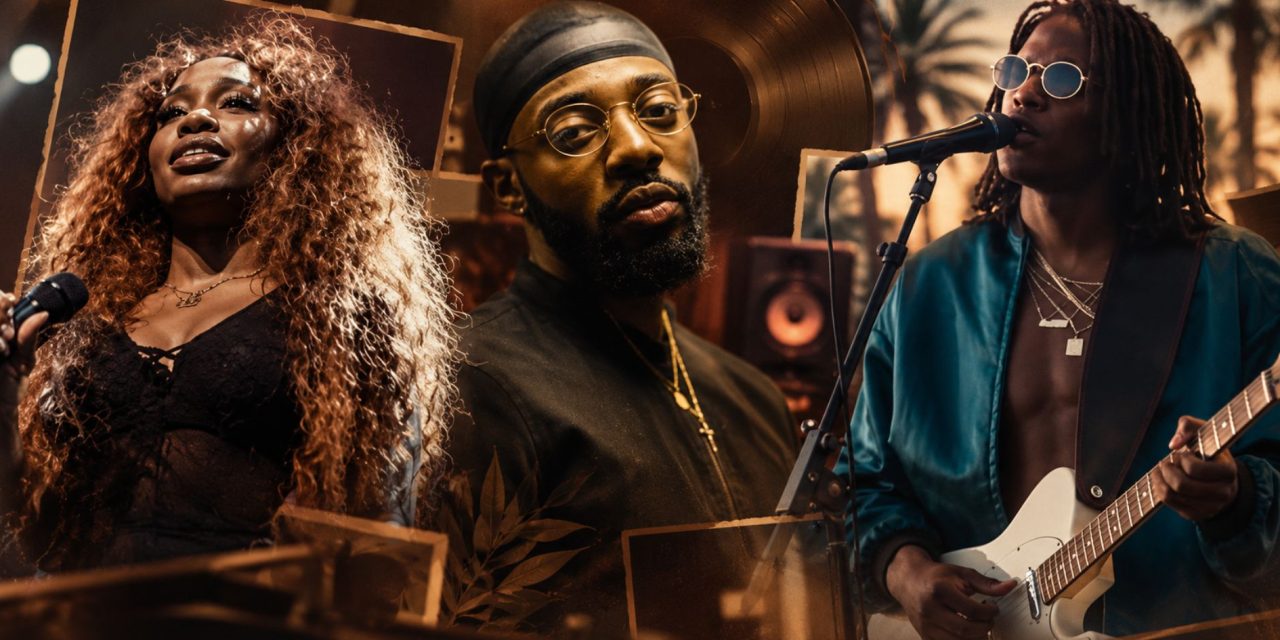
Talent matters, but these artists are doing more than simply making good records. SZA, Brent Faiyaz, and Daniel Caesar each combine musicianship, mood, and mystery in ways that strengthen their connection with listeners.
Their approaches are different, yet the results reveal something useful about contemporary R&B. Strong vocals, emotional atmosphere, memorable production, and carefully managed artist identities can work together to create a deeper fan connection.
For aspiring artists, these examples offer practical lessons. The goal is not to copy another artist’s identity, but to understand why these approaches resonate.
Case Studies: Artists Nailing It
SZA’s SOS demonstrates how musicianship, mood, and mystery can work together. Her live Grammy performance highlights her vocal ability, while the album’s atmosphere keeps listeners returning to its songs.
Her rollout teasers also created curiosity around the project. Younger R&B listeners can connect with her soulful performances and lyrical depth.
Brent Faiyaz takes a different route. His music combines trap soul influences with an enigmatic artist persona, creating a sound and identity that feel distinctly his own.
Daniel Caesar leans heavily into emotional songwriting and piano-led arrangements. His intimate approach gives his music a reflective quality that connects with listeners looking for emotional depth.
Together, these artists show how modern R&B can balance technical ability with atmosphere and personality.
| Artist | Trifecta Breakdown | Metrics | Key Tactic |
| SZA | Musicianship: Live vocals with runs and riffs. Mood: Melancholic, introspective heartbreak ballads. Mystery: Cryptic social teasers and silhouette visuals. | SOS: 6B streams. Billboard #1 peaks. Spotify presence across major R&B playlists. | Surprise rollout with dimly lit aesthetics that builds intrigue. |
| Brent Faiyaz | Musicianship: Auto-tuned vocals over 808s and hi-hat rolls. Mood: Sensual, bedroom R&B atmosphere. Mystery: Elusive artist persona. | Wasteland: 2x Platinum. Billboard Hot 100 entries. Strong presence across viral R&B sounds. | Direct-to-fan releases and an elusive persona that encourages fan theories. |
| Daniel Caesar | Musicianship: Falsetto technique and layered harmonies in jazz-influenced R&B. Mood: Romantic, relaxed R&B. Mystery: Selective behind-the-scenes studio content. | Never Enough: Major streaming numbers and Grammy recognition. | Live-band instrumentation and guitar riffs that strengthen his stage presence. |
SZA: Mastering the Trifecta
SZA demonstrates how musicianship can become part of an artist’s wider identity. Her Grammy performance showcased the raw vocal ability behind her recorded work.
Her music also creates a strong atmospheric mood. Heartbreak, vulnerability, and introspection run through many of her songs, giving listeners emotional territory they can recognize.
Then there is the mystery.
Rollout teasers, cryptic visuals, and carefully controlled aesthetics give fans something to interpret before the music fully arrives. That anticipation becomes part of the experience.
Her use of reverb and ambient production also strengthens the atmosphere around her vocals. Neo-soul influences and genre fusion add texture to those songs.
Artists can learn from this approach without copying her sound. Strong production, emotional honesty, distinctive visuals, and thoughtful fan engagement can work together.
Brent Faiyaz: Enigma in Action
Brent Faiyaz approaches the trifecta through alternative R&B, combining instrumental choices with an intentionally elusive persona.
Beat switches, bass lines, 808s, and processed vocals contribute to the sound. His melancholic and sensual moods also fit naturally into playlists built around late-night listening.
The mystery comes from the artist himself. His limited public persona creates space for listeners to speculate, discuss, and develop their own theories.
That sense of intrigue can make the audience feel involved in the artist’s world. It also shows how identity can become part of an R&B release strategy.
His music often balances modern production with elements that feel familiar. That combination helps create a sound that feels contemporary without losing its emotional character.
For producers and artists, the lesson is not simply to become mysterious. Authenticity still has to support the music and the overall artistic identity.
Daniel Caesar: Mood Maestro
Daniel Caesar approaches the trifecta through songwriting, vocal technique, and intimate musical arrangements.
His use of seventh chords and jazz-influenced harmonies adds richness to his songwriting. Falsetto vocals and layered harmonies further strengthen the emotional character of his music.
His piano ballads often create an introspective mood. The arrangements leave space for the vocals and lyrics, allowing the emotional message to remain central.
Neo-soul influences also connect his music to R&B’s longer storytelling tradition. That gives his contemporary work a sense of musical continuity.
Live instrumentation adds another dimension to his performances. Guitar riffs, changing tempos, and band arrangements can make familiar songs feel different on stage.
For artists studying his approach, the takeaway is simple. Technical musicianship can become more powerful when it serves the mood rather than competing with it.
Conclusion
SZA, Brent Faiyaz, and Daniel Caesar demonstrate three different ways contemporary R&B artists can build lasting connections with listeners.
Their music shows that musicianship creates credibility, mood creates emotional connection, and mystery can keep audiences curious.
The strongest lesson is not to reproduce their formulas. It is to understand how different artistic choices can work together to create a recognizable identity.
What makes you stop scrolling when a new R&B artist appears—an unforgettable voice, a mood you instantly feel, or something you can’t quite explain? DLK Soul looks at the artists turning those moments into lasting connections.