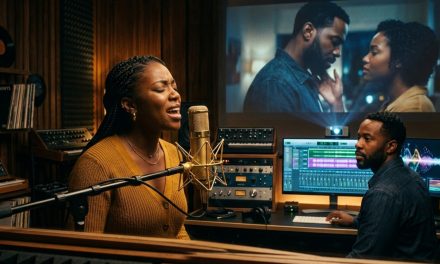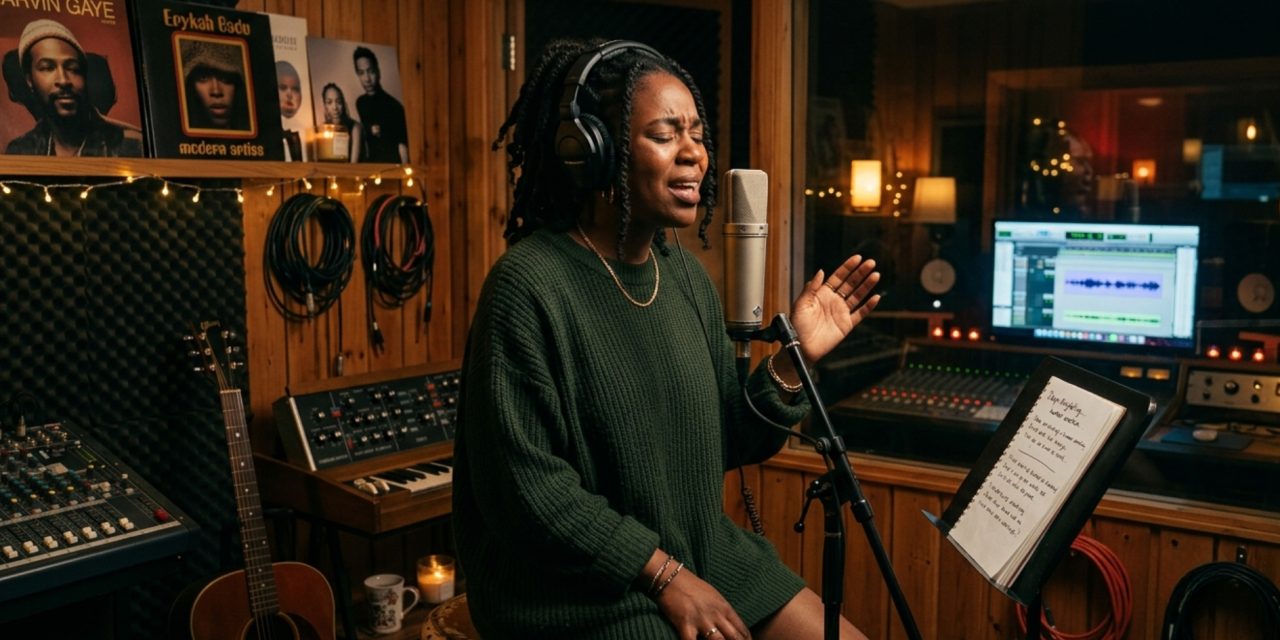
For a while, mainstream R&B became obsessed with perfection. Every vocal sat perfectly on the grid, every beat hit with machine precision, and somehow the music started feeling a little emotionally dehydrated. Now producers are quietly reversing that trend — and neo-soul’s warmth is slipping back into modern R&B one subtle production choice at a time.
Instead of recreating the past directly, today’s artists are borrowing the emotional looseness, intimacy, and humanity that made neo-soul so timeless. Read on to explore how subtle production shifts, expressive vocals, and more vulnerable songwriting are reshaping modern R&B.
Subtle Production Shifts Mimicking Neo-Soul
Modern R&B producers are moving away from overly rigid production styles and leaning back into music that feels human.
Instead of relying completely on robotic precision, many songs now embrace softer timing, looser grooves, and more natural emotional flow. Artists like SZA and Daniel Caesar create songs that feel lived-in rather than mechanically polished.
That shift matters because listeners respond emotionally to imperfection. Slight pauses, dragging rhythms, and layered textures make songs feel warmer and more personal.
Modern R&B still carries hip-hop influence and contemporary atmosphere, but neo-soul’s emotional DNA is clearly reappearing beneath the surface. Instead of sounding nostalgic, the genre feels emotionally grounded again.
Organic Instrumentation and Live Drums
One major reason modern R&B feels more soulful again is the growing emphasis on organic musicianship.
Giveon builds emotional intimacy through slower, breathing rhythms that feel conversational rather than programmed. Summer Walker often leaves room for silence and restraint, allowing emotions to settle naturally inside songs.
Meanwhile, Brent Faiyaz creates tension through minimal but emotionally heavy arrangements that support storytelling instead of overpowering it.
This approach reconnects modern R&B to the emotional patience of neo-soul. Songs no longer rush toward hooks every few seconds. They allow listeners to sit inside a feeling.
And honestly, sometimes a slightly imperfect groove feels far more emotional than a perfectly quantized beat ever could.
Vocal Techniques Borrowing from Legends
Modern vocalists are also drawing inspiration from artists who prioritized feeling over technical perfection.
Singers today study the emotional phrasing of legends like Maxwell, Jill Scott, D’Angelo, and Erykah Badu without fully imitating them.
That influence appears through softer falsettos, layered harmonies, conversational phrasing, and emotionally vulnerable delivery.
H.E.R. often sounds emotionally restrained in ways that make her performances feel deeply personal. Kehlani uses breathiness and tension to create intimacy instead of overpowering listeners with constant vocal acrobatics.
The goal is no longer perfection. The goal is emotional honesty.
Ad-Libs, Runs, and Emotional Delivery
Modern R&B singers are also allowing emotion to live inside smaller vocal moments again.
SZA uses layered ad-libs and loose vocal textures to create vulnerability rather than polish. Summer Walker leans into emotionally fragile phrasing that feels almost unfiltered.
These subtle choices create the feeling that listeners are hearing a real emotional moment instead of a carefully controlled performance.
Even restrained runs or slight vocal cracks can completely shift the emotional weight of a song. That emotional unpredictability is part of what made neo-soul resonate so deeply — and modern R&B is rediscovering it again.
Lyrical Themes with Soulful Depth
Lyrically, modern R&B is becoming more introspective and emotionally transparent.
Instead of focusing purely on image or escapism, many artists now write openly about loneliness, healing, anxiety, heartbreak, relationships, and emotional exhaustion.
SZA turns insecurity into brutally relatable storytelling. Brent Faiyaz explores emotional conflict with uncomfortable honesty. Summer Walker captures vulnerability in ways that feel conversational rather than performative.
That emotional openness mirrors the introspection that defined classic neo-soul artists years ago.
The difference is that today’s artists are blending those emotional themes into modern R&B instead of recreating the past directly. The result feels fresh, intimate, and emotionally current.
Conclusion
Modern R&B is quietly becoming more soulful again through subtle production shifts, organic musicianship, emotionally vulnerable vocals, and deeper storytelling. Rather than copying neo-soul outright, today’s artists are reviving the emotional honesty that made the genre feel timeless in the first place.
That balance between modern atmosphere and genuine human emotion is exactly why so much contemporary R&B feels more intimate, replayable, and emotionally resonant today.
Have you noticed how some modern R&B songs feel less “perfect” now but somehow hit much harder emotionally?
That emotional shift is exactly what we keep unpacking at DLK Soul.