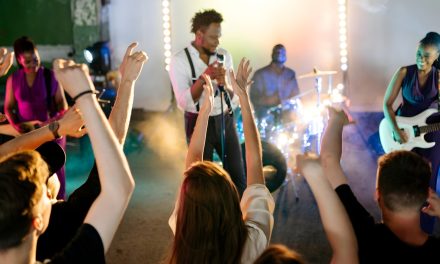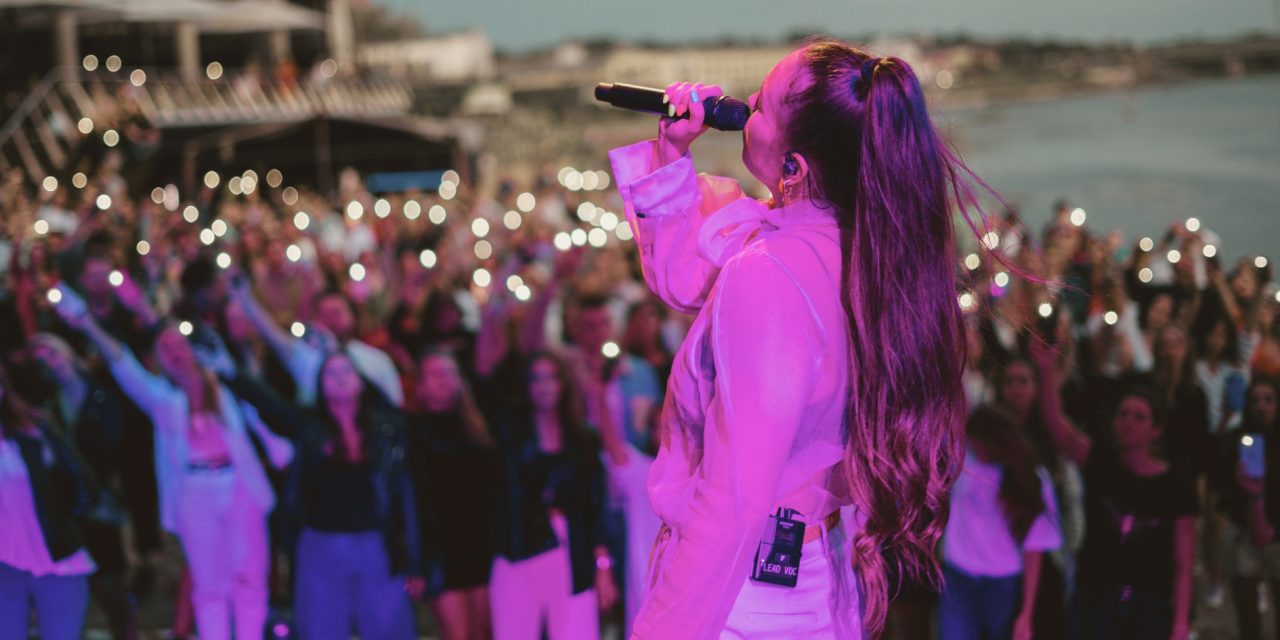
Live R&B is not just back, it is moving differently. After years of streaming everything from playlists to performances, stepping into a concert now feels less like entertainment and more like an event again. The energy hits harder, the vocals feel closer, and suddenly your “just one show” plan turns into checking tour dates at 2 a.m.
This shift is not accidental. A mix of post-pandemic demand, stronger artist presence, and tech-driven amplification has reshaped how fans experience R&B live. What we are seeing now is not just a return, but a redefinition of what live soul music can feel like in real time.
The Resurgence of Live R&B
Live music revenue surged in 2025, with R&B playing a major role in that growth. Fans, after years of digital-first listening, began prioritizing real-world experiences again. This shift laid the foundation for what is now shaping up as a major live wave.
Artists like SZA, Beyoncé, and Usher are leading this charge with sold-out shows and high-demand tours. Their performances go beyond sound, blending stage presence, vocal delivery, and crowd interaction into something that cannot be replicated through streaming.
What stands out is the emotional intensity. Songs that already connect digitally take on new weight when performed live, especially through harmonies, live bands, and crowd participation. This resurgence reflects a broader shift toward authenticity, where live delivery matters just as much as studio quality.
Looking ahead, concerts and festivals continue to expand, with hybrid formats and global reach increasing accessibility. The result is a live R&B scene that feels both familiar and newly energized.
From Intimate Spaces to Global Stages
The transition into this moment did not happen overnight. During lockdowns, artists adapted with virtual shows, livestreams, and drive-in performances. These formats kept audiences engaged while quietly reshaping expectations around access and interaction.
As restrictions eased, smaller venues became testing grounds for deeper connection. Acoustic sets, stripped-back performances, and direct fan interaction allowed artists to rebuild chemistry with audiences. These intimate settings emphasized vocal ability and emotional delivery over spectacle.
That momentum carried into larger venues. Amphitheaters and arenas reintroduced full production, with live bands, choreography, and layered visuals. The difference now is balance. Even in large spaces, artists maintain the intimacy developed during smaller shows.
This evolution has made live R&B more dynamic. It can scale up without losing its emotional core, blending personal connection with large-scale performance.
The Demand for Real Connection
At the center of this comeback is one clear driver: connection. Studies show a majority of concertgoers now attend live events primarily for shared emotional experience rather than just entertainment. That shift has changed how shows are performed and received.
Crowd participation plays a major role. Singing along, reacting in real time, and experiencing music collectively creates a sense of unity that digital platforms cannot replicate. These moments often become the highlight of a show, turning performances into shared memories.
Social media amplifies this effect. Clips from concerts spread quickly, creating a sense of urgency and FOMO that drives ticket demand. What starts as a short video often turns into a sold-out show.
Most importantly, fans are responding to authenticity. Live R&B offers unpredictable, unfiltered moments, whether it is a vocal run, a crowd reaction, or an extended encore. These experiences remind audiences why live music still holds unmatched emotional power.
Conclusion
The current wave of live R&B is more than a comeback; it is a recalibration. Artists and audiences alike are placing greater value on presence, emotion, and shared experience. This has reshaped concerts into something more immersive and meaningful.
As the genre continues to grow on stage, the balance between intimacy and scale will define its future. The demand for real connection is not fading, and R&B is uniquely positioned to deliver it.
What we are witnessing now is a stronger, more intentional version of live music, one that feels less distant and far more alive.
Do you think live R&B now feels more powerful than it did before the streaming era took over?
Let us know in the comments and stay locked in with the evolution of live soul music, only on DLK Soul!