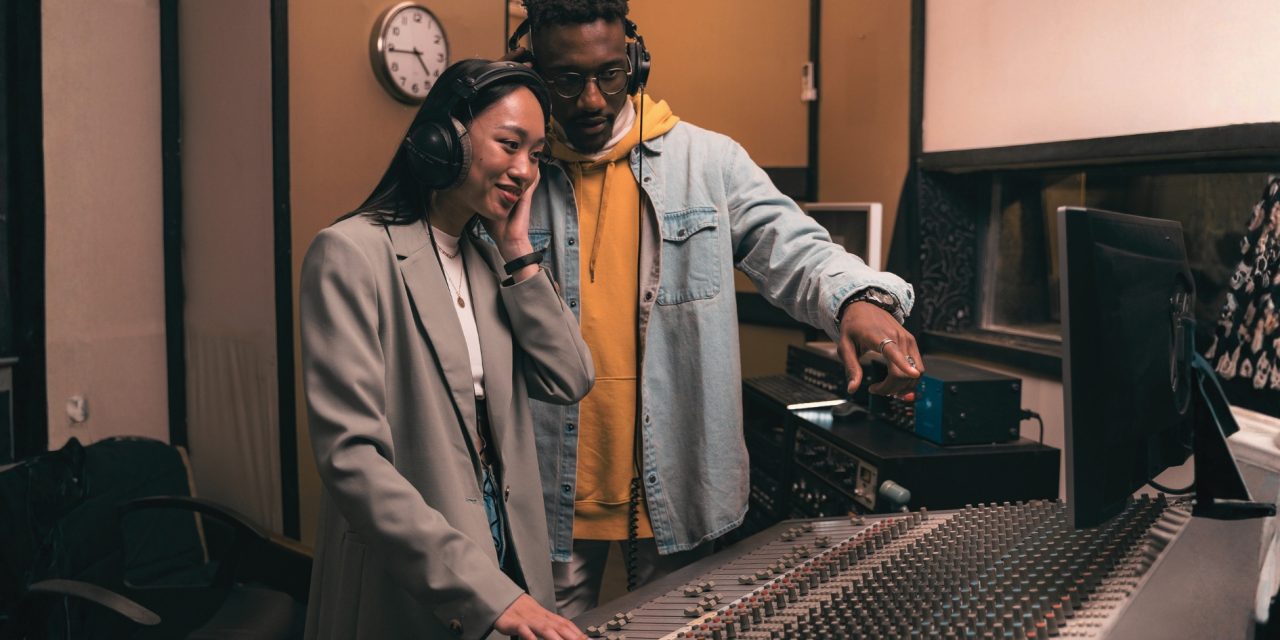
Modern R&B producers have quietly started breaking one of music production’s oldest habits: making everything perfectly on-grid. Turns out listeners do not always fall in love with perfection. Sometimes the magic comes from a guitar dragging slightly behind the beat, a bass note hanging in the air a little too long, or a vocal sitting imperfectly inside the pocket like it showed up emotionally exhausted after midnight.
That breathing, human quality now defines much of contemporary R&B. From SZA to Frank Ocean, producers are using negative space, live instrumentation, and restrained low-end design to create records that feel intimate instead of overproduced. Read on to explore the production techniques helping modern R&B grooves feel warmer, deeper, and impossible to skip.
Sub-Bass and Negative Space
One of the defining techniques in modern R&B production is restraint. Instead of filling every frequency with pads, percussion, and layered synths, producers now leave intentional gaps that allow tracks to breathe naturally.
Bryson Tiller’s “Don’t” is a perfect example. Its low-end centers around a sparse 35Hz sub note that appears with purpose rather than constant repetition. That minimal approach creates massive emotional weight while preserving headroom across the mix.
Modern producers often maintain large amounts of negative space throughout arrangements. Rather than aggressive sidechain pumping or dense layering, dynamics unfold gradually. Vocals float above the instrumental instead of fighting through crowded frequencies.
This production style creates the hypnotic atmosphere heard across contemporary slow jams, trap-soul records, and alt-R&B playlists. Sparse sub placement also translates better across headphones, car systems, and streaming platforms where overstuffed low-end quickly becomes muddy.
Engineers working in this style often monitor carefully for balance rather than loudness. The goal is not maximum impact every second. It is emotional tension that slowly builds across the track.
Live Instrumentation Over Loops
Another major shift in modern R&B production is the return of live instrumentation. While earlier eras leaned heavily on rigid loops and quantized MIDI performances, today’s producers increasingly favor real takes with subtle imperfections intact.
H.E.R.’s guitar work on “Damage” captures this beautifully. The slight variations in timing, pick attack, and string noise create movement impossible to recreate fully with programmed loops. Those imperfections give the groove warmth and realism.
Live drums and bass lines work the same way. Small fluctuations in timing produce natural swing that feels emotionally alive. Even when electronic elements remain present, producers blend them carefully with organic performances to avoid sounding sterile.
The contrast becomes obvious when comparing fully loop-based productions against records featuring live instruments. Real performances introduce texture, dynamics, and unpredictability that help songs feel human instead of mechanically polished.
Many modern R&B producers now combine analog-style recording chains, live instruments, and minimal processing to preserve emotional detail. Neve preamps, Rhodes keys, live bass guitars, and lightly processed vocals all contribute to the immersive feel listeners associate with contemporary soul records.
That balance between modern production and human imperfection is what gives many of today’s strongest R&B songs their staying power.
Conclusion
Modern R&B production is becoming less obsessed with technical perfection and more focused on emotional realism. Sparse sub-bass, negative space, live instrumentation, and natural swing allow tracks to feel intimate in ways heavily quantized productions often cannot.
The result is music that breathes.
Listeners may never consciously notice the tiny timing variations, restrained low-end choices, or unprocessed textures shaping these songs. But they feel them. And in a genre built on emotion, feeling will always matter more than perfection.
What is one R&B song that instantly pulls you into its atmosphere before the lyrics even begin—and what production detail keeps bringing you back to it?
Stay close to the records, production choices, and soulful details that make modern R&B feel human again with DLK Soul.