R&B concerts are about more than hearing favorite songs live. Stage design, lighting, and immersive visuals can turn soulful performances into memorable experiences. As 2026 R&B tour production evolves, artists and production teams are exploring ways to combine musical intimacy with the scale of modern arena shows.
From rotating stages to synchronized light shows, these innovations can bring audiences closer to the performance. However, the technology works best when it supports the music rather than competing with it.
360-Degree Stages and Immersive Arenas
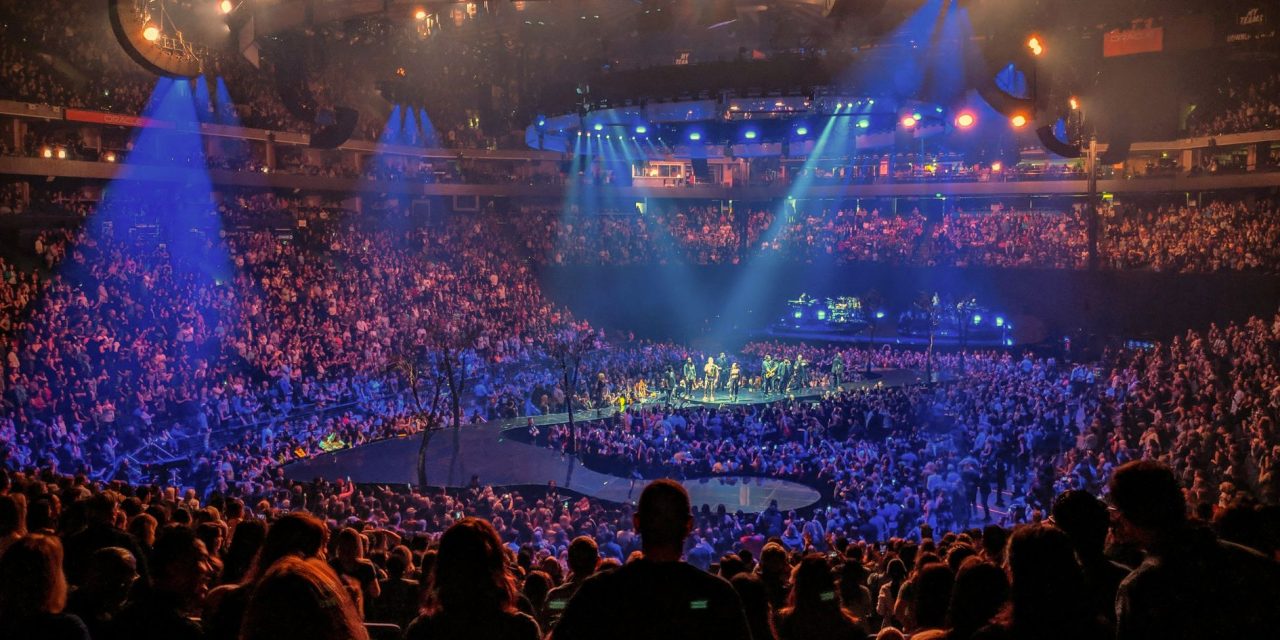
A 360-degree rotating stage or an expansive circular runway can help performers connect with audiences across a large venue.
Beyoncé’s Formation World Tour demonstrated the possibilities of ambitious staging through its enormous rotating video structure, which moved throughout the performance space. The design combined movement, visuals, and engineering to create a striking concert experience.
For R&B artists, immersive staging offers opportunities to make large-scale shows feel more engaging. Performers can move between different parts of the stage while live bands and backup singers maintain the musical chemistry. Carefully designed sightlines also help audiences feel involved, even from distant seats.
These setups can complement modern R&B while preserving the genre’s signature groove rhythms and emotional delivery. A dramatic stage transition might build anticipation before a powerful vocal moment, while a simpler arrangement can give heartfelt lyrics room to breathe.
However, elaborate staging requires careful planning. Production teams must coordinate stage movement, equipment placement, performer safety, and sound checks before the show. The goal is to ensure that technical elements enhance the performance rather than interrupt it.
AI Lights and Visual Spectacles
Lighting has long played an important role in live music, shaping the atmosphere around everything from energetic dance tracks to intimate ballads. Newer technologies allow lighting and visual systems to respond dynamically to music, performers, and programmed cues.
AI-assisted systems can help production teams coordinate lighting, visuals, and special effects in real time. When used thoughtfully, these tools can make transitions feel more fluid and connect the visual atmosphere to the music’s changing energy.
For R&B performers, the possibilities are particularly appealing. Warm lighting can complement a slow jam, while sharper visual changes can emphasize beat drops and choreography. Carefully timed light shows can also highlight vocal runs and instrumental breaks without overwhelming the performance.
Visual effects should still serve the artist’s musical identity. Too many screens, rapid color changes, or elaborate effects can distract from the vocals and musicianship that draw audiences to R&B in the first place.
Production managers must also balance technical ambition with practical considerations, including equipment costs, energy use, and touring schedules. When the music remains central, visual innovation can make a concert more immersive without turning it into a spectacle for spectacle’s sake.
Interactive Projections and Holograms
Interactive projections and holographic effects offer another way to expand the visual possibilities of live R&B. Projection mapping can transform stage surfaces, while digital imagery can create the illusion of performers or objects appearing within the performance space.
These techniques could support tributes to soul legends, complement vintage soul covers, or give contemporary artists new ways to tell stories through visuals. For example, projected imagery could evoke a particular musical era while a live band performs a classic arrangement.
Artists could also use visual storytelling to complement love songs, breakup anthems, and tracks that explore personal memories. Combined with thoughtful staging, these effects can create a stronger sense of atmosphere and connect different generations of listeners.
Holographic appearances involving musical legends require particular care. Any use of a recognizable person’s likeness should consider the relevant rights, permissions, and artistic context. Digital recreations should also be clearly distinguished from genuine live appearances.
Successful integration takes rehearsal and close coordination between performers, visual designers, and technical crews. Productions must ensure that projections remain visible from different seating positions and do not interfere with the live band’s performance.
These tools can offer exciting creative possibilities, but they aren’t essential to every show. A compelling vocal performance, a tight live band, and a well-balanced sound system can be just as memorable.
The Bottom Line
Innovative staging can help shape the next chapter of live R&B by combining strong musicianship with thoughtful visual design. Rotating stages, responsive lighting, and interactive projections offer different ways to make performances more immersive, but technology alone cannot guarantee a memorable concert.
The best productions understand what makes R&B special: expressive vocals, rich grooves, musical chemistry, and emotional connection. When sound and staging work together, the result can feel spectacular without losing the intimacy at the heart of soul music.
Which matters most to you at an R&B concert: the live vocals, the stage design, or the visual effects that bring the music to life? Explore more stories about the artists, sounds, and live experiences shaping soul and R&B with DLK Soul.