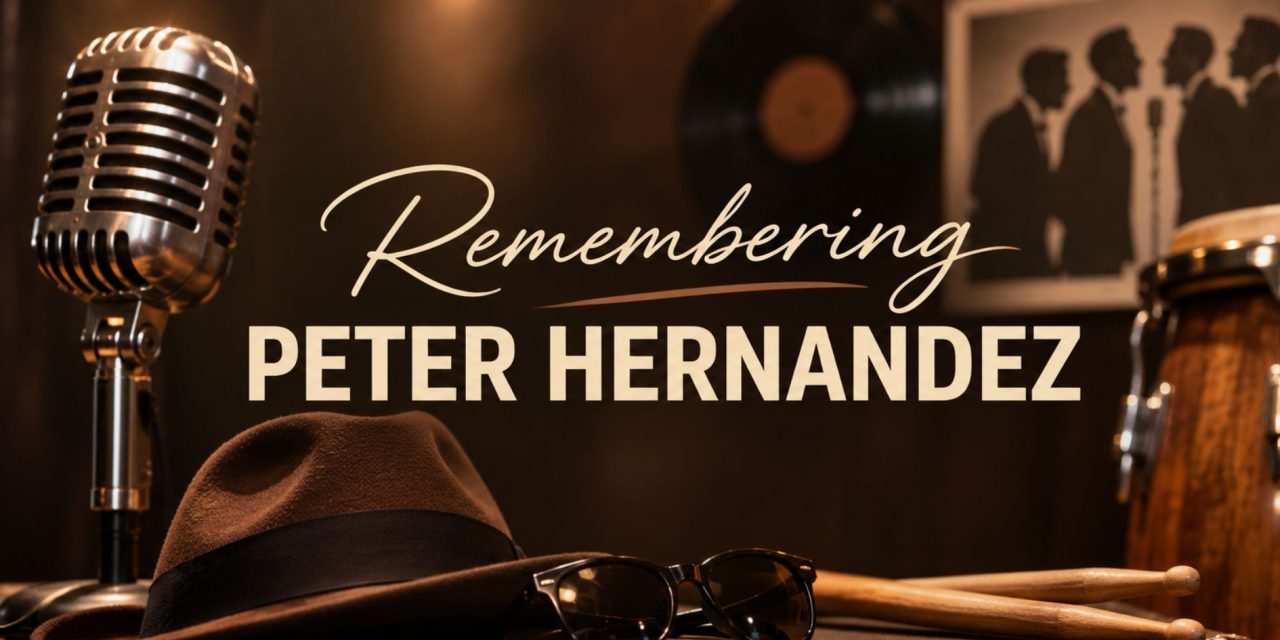
Bruno Mars announced the death of his father, Peter Hernandez, on November 19, 2026. In a tribute reported by ABC News, Mars credited his father with teaching him about music. The announcement did not establish an exact date of death.
Hernandez’s story deserves attention beyond his connection to a famous son. He was a percussionist and doo-wop bandleader whose working life helped shape the musical environment in which Mars grew up. GMA News independently reported Mars’ tribute and identified those professional roles.
A Musical Life Before Bruno Mars
In a 2014 MidWeek interview with Hernandez, Jaimie Kim Farinas traced his journey from New York to Hawaii. Hernandez described growing up around his father’s Latin orchestra and developing an enthusiasm for doo-wop in Brooklyn. The nickname Dr Doo-Wop eventually became part of his identity.
After moving to Hawaii, Hernandez formed the Love Notes, a doo-wop revival group. The group’s work placed him within a tradition of musicians keeping older repertoire alive through live performance. His son’s later fame is one part of this history. Hernandez’s own bandleading and work bringing music to audiences deserve recognition, too.
Learning Music Inside a Working Show
The same interview describes young Mars performing in his father’s show as Little Elvis. He later developed his own group, the School Boys. These experiences offer a glimpse into the musical environment that shaped his early years.
For soul and R&B listeners, this background raises interesting questions about musical inheritance. A family show can introduce young performers to repertoire, experienced musicians and the demands of an ensemble. It can also provide opportunities to observe how individual contributions come together onstage.
Hernandez’s working environment offered Mars an early connection to live performance and the musicians who made it happen. It was part of the musical world in which his interest and experience developed.
Remembering the Person Who Passed It On
Mars’ public acknowledgment of his father’s teaching gives this remembrance its clearest focus. It also draws attention to the people who introduce others to music, sustain performing groups and create opportunities for younger musicians.
No family history can explain an artist’s entire career. However, Hernandez’s documented contribution remains significant. He pursued his own musical interests, led a working group and shared a performing world with his children.
Remembering Peter Hernandez means recognizing both the musician and the mentor.
His story also invites a wider question: how much of an artist’s musical foundation comes from the people who create their earliest opportunities? Explore more stories of the musicians, influences and traditions behind soul and R&B through DLK Soul.