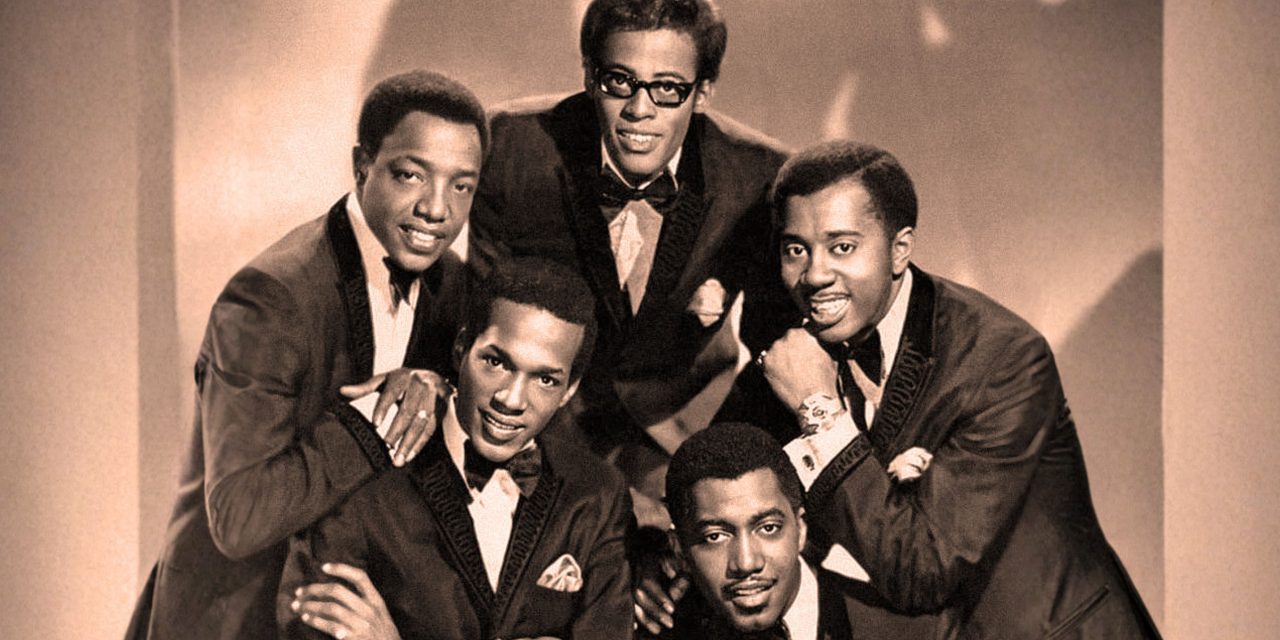
Some groups sing together. Some harmonize beautifully. And then there’s The Temptations, who somehow made harmony feel like high drama.
One voice would soar, another would answer, a bass line would rumble underneath, and suddenly a three-minute soul record felt like a full performance unfolding in real time. The Temptations didn’t just master group harmony; they turned it into theater. Every vocal arrangement carried tension, release, emotion, and movement. It wasn’t just music—it was storytelling with five microphones and flawless suits.
From Detroit rehearsal rooms to Motown’s legendary studios, their signature blend became one of soul music’s most influential blueprints. But what exactly made their harmonies feel so alive?
Origins and Early Lineup
The Temptations formed in 1960 in Detroit when Otis Williams merged his group, the Distants, with the Primes, creating a five-member lineup that included Melvin Franklin, Paul Williams, Eddie Kendricks, and later David Ruffin.
Each member brought a distinct vocal range and performance style. Together, they created the foundation for one of soul’s most recognizable group sounds.
Otis Williams served as the baritone anchor and steady leader. His presence provided stability both musically and behind the scenes. He also handled much of the business side during the group’s early years.
Melvin Franklin brought deep bass vocals that instantly stood out. Paul Williams helped shape the choreography that turned performances into full visual experiences. His arrangements gave the group a polished stage presence that few could rival.
Eddie Kendricks introduced the soaring high tenor and falsetto that became central to their sound. David Ruffin later added a commanding lead voice full of grit, emotion, and dramatic power.
Together, their backgrounds in church, local groups, and live performance created the perfect foundation for what would become soul theater.
The group auditioned for Berry Gordy in 1962 after changing their name from the Elgins to The Temptations. Their first single, Oh Mother of Mine, failed to chart, and early releases struggled to gain traction. Success would come only after tighter harmonies, stronger material, and relentless rehearsal.
Formation of the Signature Sound
The Temptations built their signature vocal blend through intense daily rehearsals at Hitsville U.S.A. Their focus on pitch accuracy, dynamic control, and precise timing separated them from contemporaries like The Four Tops and The Miracles.
Rehearsals often lasted four to six hours each day.
They worked obsessively on matching pitch, breathing together, and ensuring transitions felt seamless. This level of discipline created the polished sound listeners immediately recognized.
The group developed what became known as a pocket harmony technique, where all five voices occupied different frequency ranges. This allowed every voice to remain distinct while contributing to a rich, unified sound.
Early recordings in 1964 captured this emerging chemistry. The Way You Do the Things You Do showed how preparation translated into an effortlessly polished performance.
Lead and Background Roles
David Ruffin handled lead vocals on 18 of the group’s first 25 singles between 1964 and 1968, while Eddie Kendricks alternated between lead and falsetto harmonies.
Ruffin brought raw emotional force to classics like My Girl and Ain’t Too Proud to Beg. His chest voice added urgency and dramatic weight.
Kendricks offered contrast with lighter, smoother falsetto leads on songs like Get Ready. His tone added brightness and elegance to the group’s overall texture.
Paul Williams served as a powerful baritone presence and often handled spoken intros. Melvin Franklin provided the deep bass foundation, instantly grounding the harmonies.
Otis Williams filled second tenor parts while also helping direct stage movement during live performances.
This rotating structure kept performances fresh while allowing each singer’s strengths to shine.
Call-and-Response Dynamics
The Temptations adapted call-and-response traditions from gospel quartet music, turning vocal exchanges into emotional conversations.
This gave their songs movement and drama.
My Girl features bass and tenor responses following the lead vocal almost like a conversation. Later tracks such as Papa Was a Rollin’ Stone expanded this into layered responses that built gradually from simple phrases into complex harmony structures.
During live shows, the lead singer often stepped forward while the remaining members held formation behind him. This visual setup mirrored the vocal arrangement—one voice telling the story, the others reinforcing and reacting.
The result felt theatrical without becoming excessive.
What began in gospel traditions evolved into one of the defining features of The Temptations’ sound. Their harmonies did not simply support the lead—they actively shaped the emotional arc of every song.
Conclusion
The Temptations proved that harmony could be far more than polished singing. It could create tension, emotion, movement, and drama.
They turned group vocals into something cinematic.
Through disciplined rehearsal, masterful vocal arrangements, and unforgettable stagecraft, The Temptations transformed soul music into live theater. Their blueprint continues to influence vocal groups across R&B, soul, and pop to this day.
Ever caught yourself singing along to a harmony line and wondering, how are they making that sound feel so effortless? Stick with DLK Soul as we unpack the magic behind soul’s greatest voices—one legendary story at a time.