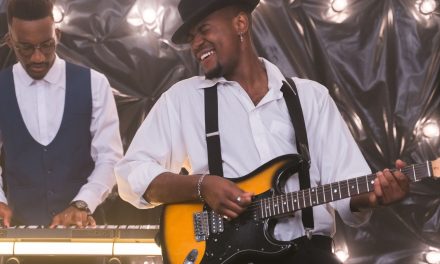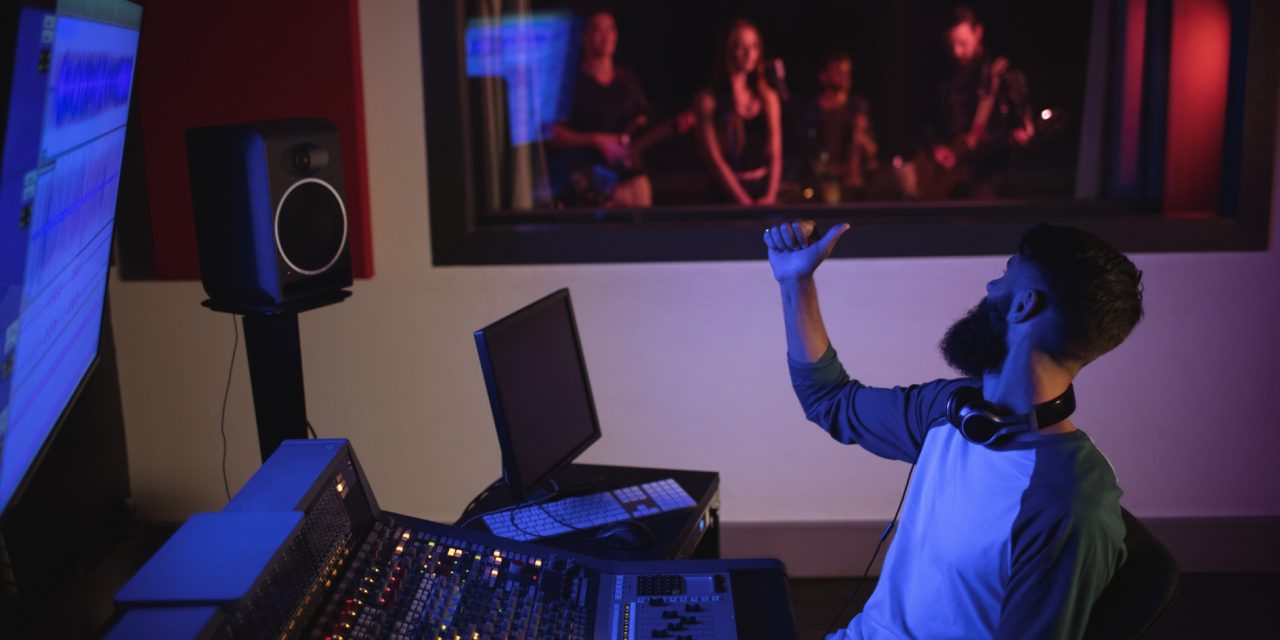
If R&B production had a personality, it would probably be that friend who keeps reinventing themselves—and somehow pulls it off every time. One minute it’s stripped-down and emotional, the next it’s layered with synths and trap drums.
As technology keeps evolving, R&B is not just keeping up; it’s experimenting, blending, and quietly redefining what “the sound” even means. The future looks less like a straight line and more like a creative playground for R&B producers and artists alike.
Trends to Watch
One of the biggest shifts in R&B production right now is genre fusion, where boundaries between styles are becoming almost irrelevant. Artists like H.E.R. are leading this charge by blending soulful melodies with trap and electronic elements, creating a sound that feels both rooted and refreshingly modern. This mix allows R&B to stay emotionally rich while expanding its sonic reach.
At the same time, AI-assisted music creation is opening new doors for producers and artists. Tools like AIVA and Amper Music help generate ideas, chord progressions, and even full compositions. Rather than replacing creativity, these tools act as collaborators, pushing artists to explore directions they might not have considered.
Live looping is also gaining serious momentum, especially in live performance settings. Artists like Daniel Caesar use looping techniques to build layered, real-time arrangements that feel organic and immersive. This approach not only enhances performances but also blurs the line between studio production and live experience.
Predictions for the Genre
Looking ahead, R&B is expected to lean even further into cross-genre experimentation, especially with pop and electronic influences. This evolution will likely result in more polished, high-energy productions that still retain the emotional core of the genre. The balance between feeling and finesse will define the next wave of hits.
Digital audio workstations will continue to play a central role in shaping this sound. Producers are using these tools to craft intricate beats, layer complex synths, and experiment with textures in ways that were once difficult to achieve. Artists like Khalid already showcase this blend, combining soulful vocals with upbeat, pop-driven production that connects with a broad audience.
Meanwhile, platforms like TikTok are influencing not just how music is discovered, but how it’s created. R&B artists are increasingly designing songs with viral potential in mind, focusing on catchy hooks and memorable moments that translate well into short-form content. This shift could redefine song structure and pacing in the years ahead.
Conclusion
The future of R&B production is driven by a mix of technology, creativity, and cultural shifts. From AI tools to genre fusion and evolving performance styles, the genre is expanding in ways that feel both exciting and unpredictable.
What makes this moment unique is how accessible innovation has become. Artists are no longer limited by traditional methods, and listeners are benefiting from richer, more diverse sounds. R&B is not just evolving—it’s opening up entirely new creative possibilities.
What kind of R&B sound are you vibing with lately—more raw and soulful or polished and experimental?
Let us know in the comments and stay tapped into the future of R&B only on DLK Soul, where the sound keeps evolving with you.