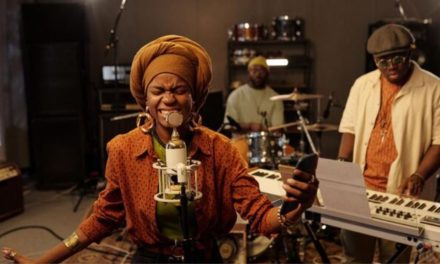
Soul music has always carried the reputation of being timeless, which is flattering—but also a little misleading. Timeless doesn’t mean frozen in amber, no matter how often the classics tell us otherwise.
Behind the scenes, soul has been quietly adapting, borrowing, refining, and occasionally sneaking into the studio with tools its pioneers never imagined, all while keeping its emotional center intact. The genre still feels familiar, but the methods behind it have changed more than most listeners realize.
This article looks at how contemporary soul artists are reshaping composition today, not by abandoning tradition, but by stretching it carefully. From cross-genre collaborations that feel intentional to modern production techniques that enhance emotion rather than flatten it, these approaches reveal how soul continues to evolve without losing its voice—or its nerve.
Cross-Genre Collaborations That Expand the Soul Sound
Collaborations across genres have become one of the most effective ways soul music continues to grow. When soul artists work with musicians outside their traditional lane, the results often feel fresh yet familiar. A classic example is Aretha Franklin joining forces with Eric Clapton on “The Weight,” where gospel-rooted vocals met rock instrumentation without diluting either style.
More recent collaborations follow the same spirit. D’Angelo’s work with Q-Tip on “Lady” blends neo-soul warmth with jazz and hip-hop sensibilities, creating a sound that feels fluid rather than forced. These partnerships allow soul music to absorb new rhythmic ideas, harmonic textures, and storytelling approaches.
What makes these collaborations effective is restraint. Rather than chasing trends, successful projects use outside influences to deepen emotion and expand sonic range. This approach draws in wider audiences while reinforcing soul’s relevance in a constantly shifting musical landscape.
Modern Production Techniques Without Losing the Human Feel
Technology has become a quiet collaborator in modern soul composition. Artists like Anderson.Paak and Solange rely on digital audio workstations such as Logic Pro X and Ableton Live to build layered, expressive arrangements. These tools enable experimentation while still honouring organic performance.
Virtual instruments, subtle pitch-shifting, and carefully applied reverb help create depth without overpowering vocals. Solange’s A Seat at the Table is a clear example of how modern production can enhance emotional storytelling rather than distract from it. The album blends traditional soul foundations with minimalist electronic textures that feel intentional and intimate.
When used thoughtfully, technology doesn’t replace musicianship—it amplifies it. These production techniques give artists greater control over mood, space, and nuance, allowing soul music to evolve while staying emotionally grounded.
Conclusion
Innovation in soul music composition is less about reinvention and more about expansion. Through selective collaborations and intentional use of modern production tools, artists are widening the genre’s expressive range while preserving its emotional honesty. Soul continues to move forward by adapting carefully, not abandoning its roots.
When you hear modern soul, what makes it feel authentic rather than overproduced? DLK Soul breaks down the creative choices helping artists strike that balance.