Before playlists were built with a tap and feelings were sent through emojis, people had another love language: songs. One carefully chosen track could say I miss you, I love you, or I’m sorry better than words ever could.
R&B mastered that emotional language. From late-night slow jams on the radio to homemade mixtapes passed between lovers, the genre turned music into something deeply personal. It gave people a soundtrack for vulnerability, romance, heartbreak, and longing—and in doing so, shaped how generations expressed emotions through sound.
Origins of the Slow Jam
Quiet Storm launched on WHUR-FM in 1976 with 62% listener retention during its 7pm–12am programming block featuring artists like Smokey Robinson and Marvin Gaye. This radio format created a dedicated space for listeners to connect with music during intimate evening hours. Programmers quickly noticed how audiences gravitated toward slower tempos and emotionally rich lyrics.
The 1968 release of For Once in My Life helped establish the 65–75 BPM range that became standard for slow jams. This pace gave vocalists room to emphasize emotion and allowed listeners to fully absorb each lyric. The slower rhythm felt natural—almost like the pace of a heartfelt conversation.
Smokey Robinson’s 1977 album Quiet Storm sold 500,000 copies in its first year, proving audiences wanted entire collections centered around emotional intimacy. Smooth melodies and tender vocals made the project ideal for late-night listening.
By 1983, Between the Sheets by The Isley Brothers created the blueprint for the bedroom anthem. Sensual grooves paired with whispered lyrics created a sound built for private moments. Stations like WBLS in New York and WDAS in Philadelphia often featured these songs during evening dedication segments, giving listeners a way to express feelings through requests.
Mixtapes as Personal Expression
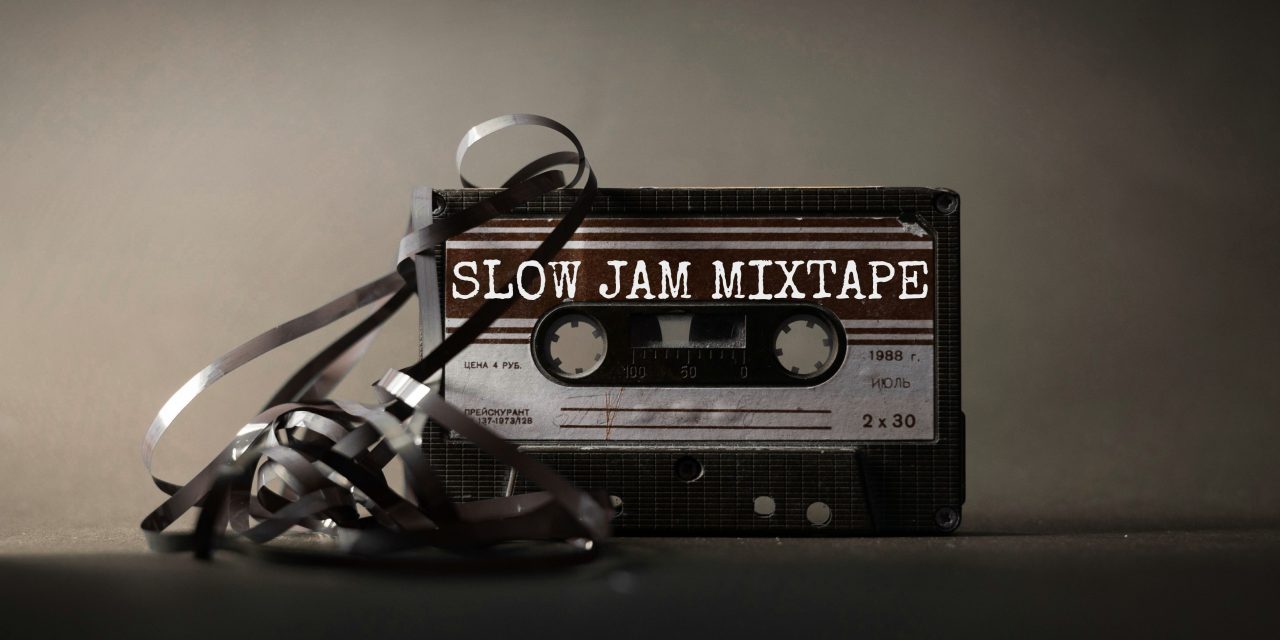
Before streaming, the mixtape was arguably the most personal gift you could give. Creating one required time, patience, and intention; qualities that made every tape meaningful.
Cassette mixtapes often required 90–120 minutes of sequencing decisions using TDK SA-90 tapes and dual-deck recorders. Every track selection carried emotional weight. Each song represented something the creator wanted to say, but perhaps could not say directly.
People built mixtapes to communicate affection, longing, and vulnerability. The physical process of recording each song made the experience deeply intentional. Unlike today’s playlists, you could not drag and drop tracks in seconds. Every transition had to be planned.
Compilation and Curation
Most curators selected 12–15 tracks based on four criteria: tempo under 80 BPM, strong vocal emotion, warm production, and personal meaning. The goal was not simply to assemble good songs—it was to tell a story.
The sequencing often followed recognizable patterns:
- Start with an inviting warm-up track
- Build toward emotional intensity around the middle
- Use deeper cuts on Side B for intimacy
- End with a lasting emotional statement
Physical limits forced careful choices. Limited tape space meant every song had to earn its place. That scarcity made the final product feel intentional and deeply personal.
Emotional Storytelling
The strongest mixtapes often followed a three-act structure. Tracks 1–4 built longing, tracks 5–10 developed emotional intimacy, and tracks 11–14 resolved the story through either romance or heartbreak.
Transitions mattered as much as the songs themselves. A carefully chosen sequence could communicate emotional progression without saying a single word. Recipients were not just hearing songs—they were hearing someone’s feelings unfold.
This is where R&B truly became personal. The genre gave people emotional vocabulary through music. Slow tempos, intimate vocals, and rich melodies created a space where vulnerability felt safe.
Conclusion
R&B did more than create great love songs. It changed how people communicated emotion. Slow jams created late-night spaces for connection. Mixtapes transformed song selection into personal storytelling. Radio dedications turned public airwaves into intimate moments.
Even though technology has changed, the core experience remains familiar. People still send songs to say what they feel. The platforms may be different, but the emotional power of music remains the same.
That is the lasting magic of R&B. At its best, it makes personal feelings feel shared, understood, and unforgettable.
What’s one R&B song that instantly takes you back to a deeply personal moment? Let us know in the comments, and stay tuned with DLK Soul as we continue exploring the music, memories, and emotional moments that shape our lives.