Some 90s references need very little explanation. Mention Friends, cassette tapes, or mixtapes, and plenty of listeners already know exactly where the memory is going.
DLK Soul uses that familiarity in its lyricism, but the songs don’t simply look backward. Alongside those cultural references are stories about mental health, career pressure, ambition, and the need for support.
That mix keeps the music from becoming nostalgia for nostalgia’s sake. Familiar details draw listeners in, while contemporary themes give them something current to recognize.
Reflecting 90s Culture
DLK Soul’s lyrics frequently draw from 90s culture, creating moments of recognition for listeners who remember the era firsthand.
In “Throwback Dreams,” for example, references to the television series Friends reinforce themes of friendship and love. The reference works because those ideas were central to the cultural experience the song is recalling.
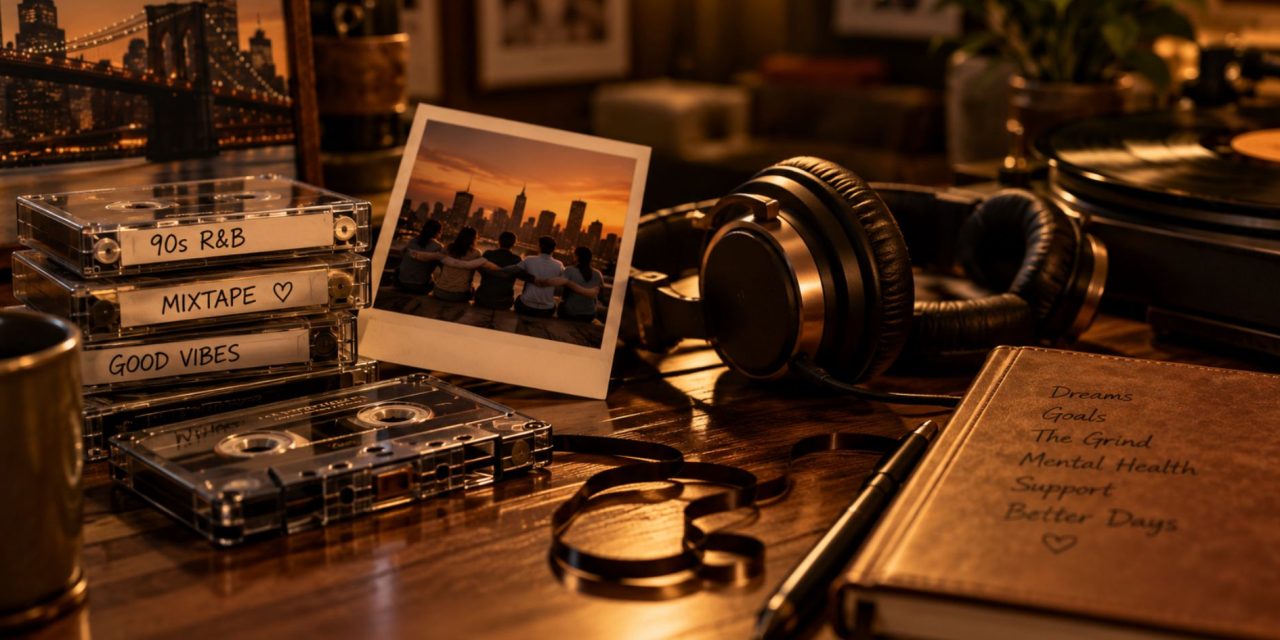
“Retro Vibes” takes a different route by bringing cassette tapes and mixtapes into the lyrics. For listeners who grew up sharing music that way, those details can trigger memories almost instantly.
There is something charming about that kind of specificity. A mixtape was not simply a playlist with worse technology. It was something you made, exchanged, and sometimes judged your friendships by.
These references give the songs additional emotional depth. They connect personal memories with a broader cultural experience shared by listeners who recognize the references.
The 90s influence therefore feels purposeful rather than decorative. DLK Soul uses familiar cultural details to strengthen themes of innocence, discovery, friendship, and love.
Contemporary Relevance
The nostalgia doesn’t keep DLK Soul’s lyricism stuck in the past. Contemporary issues give the music a different layer and keep its stories relevant to today’s listeners.
“Voices” explores the complexities of mental health struggles, including feelings of isolation and the support search.
Those experiences can feel deeply personal, yet they are also part of wider conversations about mental wellness. The song gives listeners room to recognize experiences that may otherwise be difficult to articulate.
“The Grind” focuses on another distinctly modern pressure: the pursuit of success. Career ambition can sound exciting from a distance, but the reality often involves uncertainty, exhaustion, and plenty of second-guessing.
DLK Soul brings these experiences into its storytelling without losing the personal quality of the music. Listeners can recognize their own concerns within the situations described.
That balance between personal stories and broader social commentary strengthens the lyrical connection. The songs can encourage introspection while also opening conversations about mental wellness, ambition, and everyday pressures.
Conclusion
DLK Soul’s lyricism works across two timelines without making either one feel out of place. The 90s provide familiar cultural touchpoints, while contemporary themes keep the stories grounded in the present.
A Friends reference or a mixtape memory can spark nostalgia, but subjects like mental health and career pressure give that nostalgia somewhere meaningful to go.
The result is music that remembers the past without getting stuck there. DLK Soul’s lyrics use familiar memories to explore experiences that still matter now.
What happens when the memories that shaped one generation meet the pressures shaping another?
DLK Soul leaves that conversation open through lyrics that connect cultural nostalgia with the realities listeners continue to navigate today.