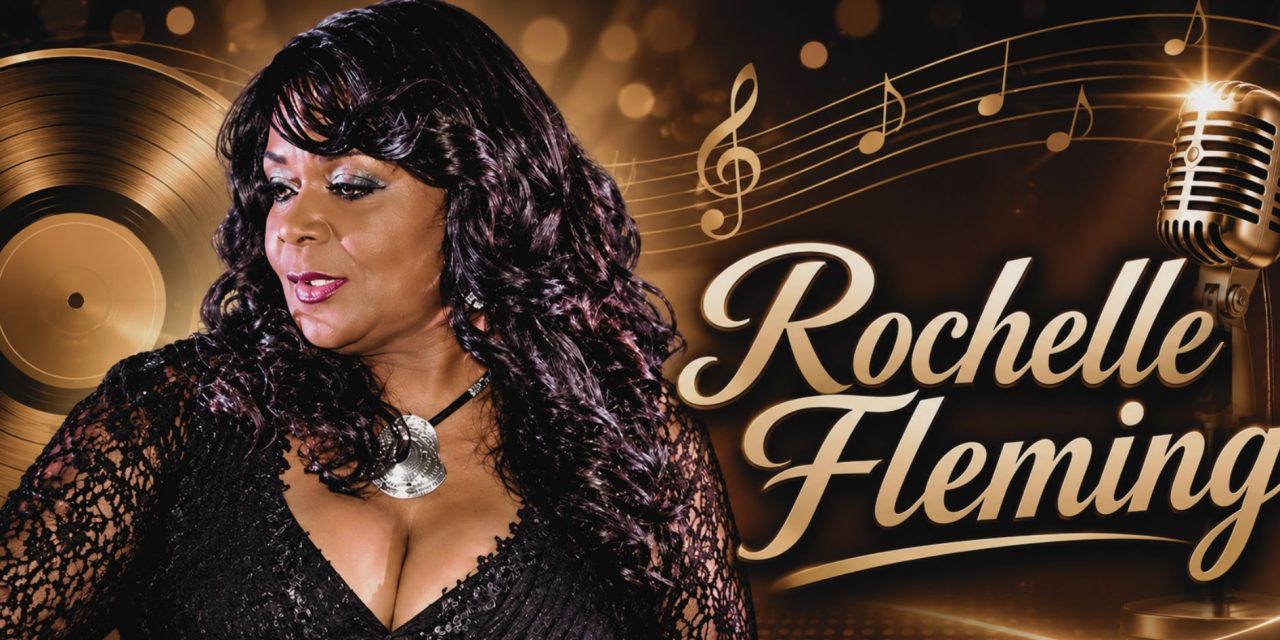
Rochelle Fleming-Finney, founding member and lead vocalist of First Choice, died in Philadelphia on November 5, 2026. Her manager, George Iz Correia, confirmed her death on behalf of the family in a statement reproduced by The Times of India.
Fleming’s contribution can be heard across several musical eras. Her voice helped define First Choice’s early Philadelphia soul recordings, adapted to disco’s extended grooves, and later found another life in house music. The records trace that journey through her phrasing, the group’s vocal exchanges, and the changing space around the beat.
Hear the Urgency in “Armed and Extremely Dangerous”
The Lost 45s’ remembrance, republished from SoulTracks, traces First Choice’s beginnings to a group called the Debonettes. The singers’ early work with producer Norman Harris helped establish the sound heard on “Armed and Extremely Dangerous,” released in 1973.
Start with the way Fleming shapes each phrase. Her delivery is direct and urgent, with sharply placed words that give the melody a sense of movement. The other singers answer without overwhelming the lead. Their exchanges create a conversational quality, while the arrangement keeps the performance moving forward.
Listen for the balance between Fleming’s individual lines and the group responses. Her phrasing gives each passage its character, while the harmonies make the performance feel collective. That interplay became an important part of First Choice’s identity.
Follow the Shift on “Doctor Love”
First Choice later recorded for Gold Mind, the label associated with Salsoul. The group’s 1977 album, Delusions, included “Doctor Love” and “Let No Man Put Asunder,” two recordings that show different sides of Fleming’s vocal approach. BMG’s tribute to Fleming also recognizes the album’s place in the group’s Philadelphia soul and disco legacy.
On “Doctor Love,” listen to how Fleming works within a more sustained dance arrangement. The groove has room to continue, allowing the hook to return and small changes in vocal emphasis to register. Her delivery remains expressive, but the repeated structure gives the phrasing a different role.
Follow the rhythm section through each vocal passage and into the gaps that follow. The band maintains the pulse while Fleming moves between lines. When the vocal returns, its accents seem to reshape the groove without disrupting it.
This is a useful point of comparison with the earlier single. The urgency remains, but the longer arrangement gives the voice more room to settle into the rhythm.
Trace “Let No Man Put Asunder” Into House Music
“Let No Man Put Asunder” also appeared on Delusions before receiving a later Salsoul single release. Its journey did not end with the original recording. Remixes and samples brought the song to new dance audiences, while Mary J. Blige recorded her own version for her 1999 album Mary.
The Edit USA account of Fleming’s musical legacy explains how the song reached house music through later reinterpretations. Frankie Knuckles reworked the recording, giving DJs a version that could function differently in a club setting. The extended arrangement created more room for the groove and Fleming’s vocal phrases to return.
Listen to the original album recording before moving to the remix. In the original, the voice sits within the song’s disco arrangement. In the extended version, repetition and timing give individual phrases more space to hold attention. The singer’s rhythmic delivery becomes part of the structure a DJ can work with.
The song also demonstrates how a recording can travel beyond its original audience. House producers and DJs carried its vocal identity into another musical setting, while Blige’s interpretation introduced the composition to a different R&B generation.
Hear the Journey Through Three Recordings
These three recordings offer a focused route through Fleming’s work with First Choice. “Armed and Extremely Dangerous” highlights the urgency of the early group sound. “Doctor Love” reveals how her phrasing settles into a longer disco groove. “Let No Man Put Asunder” shows how that vocal character could survive reinterpretation and reach later dance floors.
Listen to the lead vocal first, then pay attention to the other voices and the arrangement around it. Notice how Fleming moves from sharply defined phrases to lines that sit comfortably within a repeating groove. The recordings reveal a singer whose delivery could remain distinctive as the musical setting changed.
Fleming’s legacy is not confined to one era or one audience. Her voice helped shape First Choice’s Philly soul identity, carried the group into disco, and became part of house music’s continuing conversation with earlier records. The songs still offer a clear way to hear how one vocalist helped connect those worlds.
How did Rochelle Fleming’s voice travel from Philly soul into the sound of house music? Explore more stories behind the singers, recordings, and musical connections that shaped soul’s lasting influence on DLK Soul.