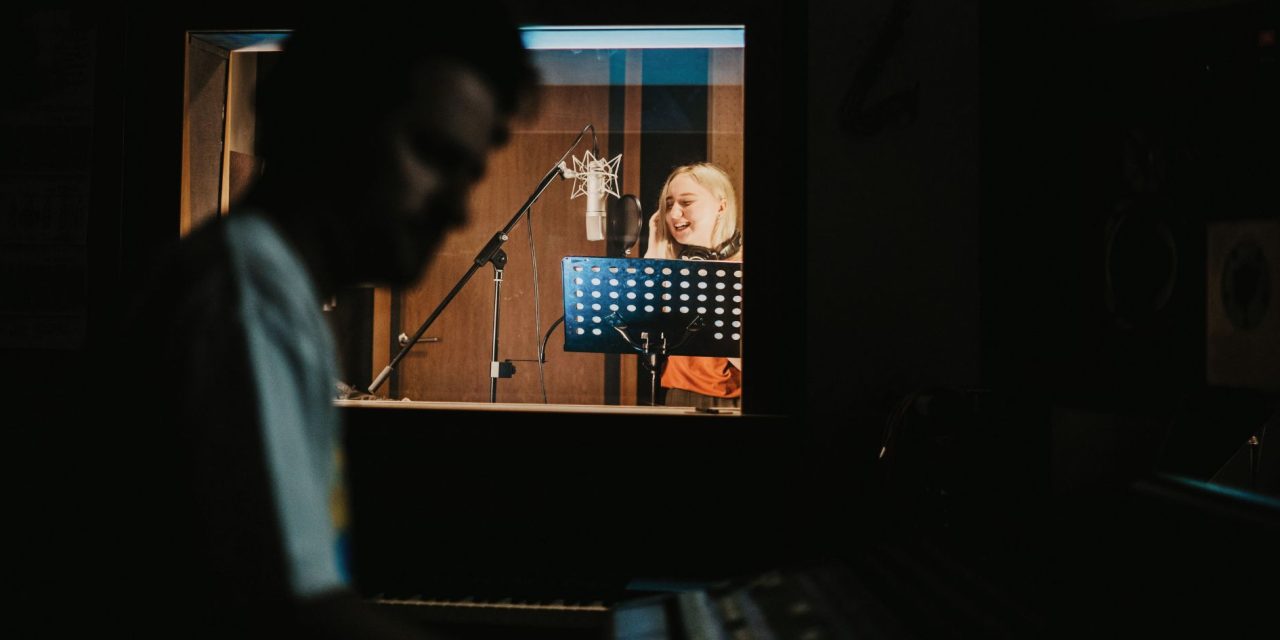
Neo-soul does not need vinyl crackle, dusty samples, or deliberately worn-out mixes to sound soulful. Modern producers are proving that warmth can coexist with pristine digital production.
Today’s R&B borrows from neo-soul while adding glitchy synths, minimalist trap rhythms, modern effects, and immersive mixing. The result keeps the emotional depth of soul without turning every track into a throwback.
Modern Twists Without the Retro Vibes
Modern neo-soul production often starts with clean, detailed sound rather than deliberately aged textures. High-resolution mixes and hybrid analog-digital chains can preserve organic character without leaning heavily on nostalgia.
Tools such as FabFilter Pro-Q 3 and Output Arcade help producers shape polished sounds while leaving room for character. The goal is not to erase the soul from the production, but to give it a contemporary setting.
Artists are also blending neo-soul with glitchy synths and minimalist trap elements. FKJ-inspired Serum textures can add digital movement, while sparse basslines create space around soulful vocals.
This genre fusion brings familiar warmth into current production without copying the sound of the 1990s. Clean mixes can preserve dynamic range and headroom while avoiding deliberately lo-fi aesthetics.
Live instrumentation remains important, too. Rhodes piano can sit alongside modern effects, while smooth vocals, falsetto, and expressive runs add intimacy. Hip-hop influences can then shape the rhythm without overwhelming the soulful character.
Electronic Fusion and Minimalism
Electronic textures give contemporary R&B another way to reinterpret neo-soul. Daniel Caesar’s Never Enough, for example, combines falsetto with minimalist electronic textures and spacious reverb.
The approach demonstrates how electronic production can support soulful vocals rather than compete with them. Subtle influences can maintain a sense of soul revival while the production stays firmly contemporary.
Modern producers can use several techniques to connect these influences. Serum glitch synths, as heard in Jordan Ward’s work, can add digital movement to vintage-inspired musical ideas.
Minimalist 808 patterns can also keep trap elements understated. Sparse basslines leave space for vocals, harmonies, and other instrumental details instead of filling every frequency.
Sidechain processing offers another way to create movement. Neo-soul bass can subtly respond to kick drums, creating the pocket and rhythmic bounce associated with modern R&B.
Spatial mixing can push the sound even further. H.E.R.’s use of 360 Reality Audio demonstrates how immersive formats can give familiar R&B elements a different listening experience.
Plugin chains can add depth without making the production feel dated. Valhalla Room reverb followed by Soundtoys EchoBoy can create spacious reverb tails and rhythmic delay effects.
Harmony stacks and ad-libs can then build emotional depth without relying heavily on Auto-Tune. Producers may also use tempo rubato and syncopation to introduce a more natural swing.
These techniques show how genre blending can keep neo-soul relevant within contemporary production. The music can draw from earlier traditions while sounding designed for today’s headphones, playlists, performances, and streaming platforms.
Conclusion
Modern neo-soul does not have to recreate the past to preserve what made the genre compelling. Its warmth can come from instrumentation, vocal expression, groove, harmony, and thoughtful production choices.
The most interesting results often come from the contrast between organic and electronic elements. Rhodes piano can meet glitch synths, soulful vocals can sit over minimalist 808s, and analog warmth can survive inside an entirely modern mix.
How much of neo-soul’s emotional character can you keep while changing almost everything around it? DLK Soul explores the sounds, production ideas, and genre connections shaping soulful music today.