Some performances make you lean in. Others make you stand up. R&B and soul have always known how to do both—sometimes in the same song. One moment feels like a quiet confession, the next like a shared celebration. The real craft lies in knowing how to scale emotion without losing sincerity.
This article looks at how modern R&B and soul artists balance intimacy and spectacle across different live settings, while keeping connection—not noise—at the center.
Small Rooms, Big Feeling
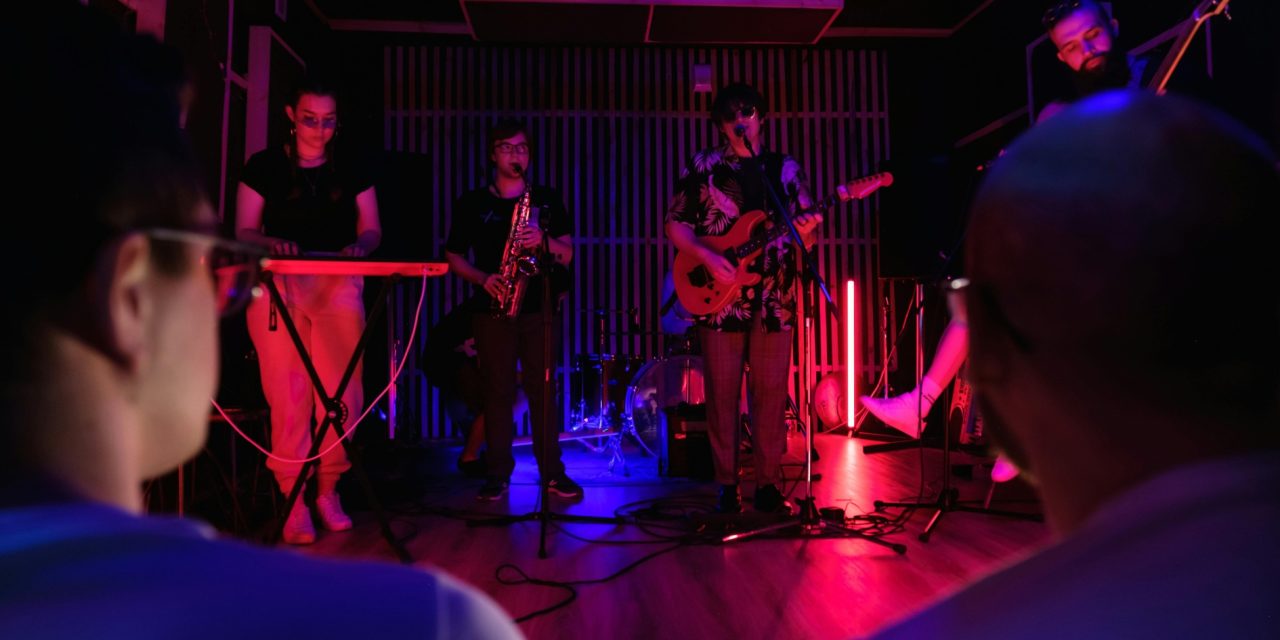
Intimate spaces like clubs, listening lounges, and church-style halls reward restraint and detail. In these rooms, breathy vocals matter. Brushwork on drums becomes expressive, not decorative. Eye contact replaces choreography, and silence carries weight.
You hear the wood of the snare. You notice fingers sliding across strings. These environments favor narrative-first performances, where dynamics stay soft, and phrasing does the heavy lifting. Artists who understand this resist over-singing and instead trust the room to hold the moment.
This approach invites listeners into the music rather than performing over them. It turns a live set into a shared experience, where emotion travels directly, without amplification getting in the way.
Scaling Up Without Losing the Soul
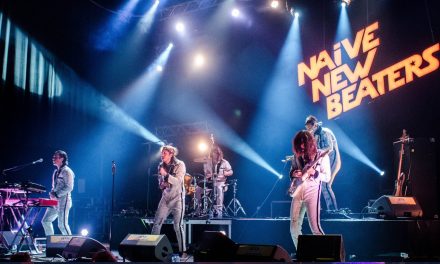
Large stages demand projection, but not exaggeration. Bigger rooms require lifted tempos, extended vamps, brighter lighting cues, and wider background vocal arrangements. The challenge is keeping the emotional closeness of a small room while filling an arena.
Several current approaches get this balance right. Anderson-style hybrid sets place rhythm up front, with drum-forward leadership that blurs the line between bandleader and vocalist.
H.E.R.’s rotating musicianship—moving between guitar, keys, and vocals—signals craft while keeping performances grounded. Leon Bridges leans into restraint, using vintage tones and carefully arranged BGVs to command attention without force. Alex Vaughn’s living-room approach strips the stage down to essentials, letting story and tone lead.
None of these relies on controversy or spectacle for spectacle’s sake. They scale presentation, not personality, proving that excellence and connection travel well at any size.
Conclusion
R&B and soul don’t choose between intimacy and spectacle—they negotiate between them. The strongest performances understand the room, respect the listener, and adjust the frame without changing the message. Whether whispered in a small hall or projected across a festival crowd, the goal stays the same: make the music feel personal, even when thousands are listening.
Have you ever felt more moved by a quiet performance than a massive production? DLK Soul explores how artists preserve that closeness—no matter the stage size—by keeping groove, intention, and honesty at the center.