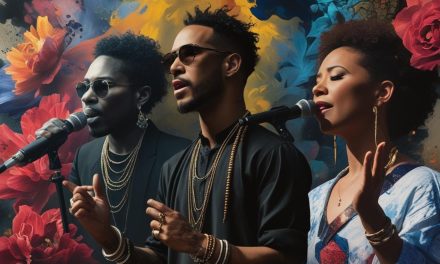
Soul music doesn’t survive on nostalgia alone, no matter how tempting it is to stay parked in the classics. The genre moves forward because new voices keep testing its boundaries, sometimes awkwardly, sometimes brilliantly, often both at once. Emerging soul artists carry the responsibility of honoring tradition while quietly asking, what else can this sound become?
Spotlighting these artists isn’t about chasing trends or predicting the next big star. It’s about preserving the genre’s emotional relevance. When new artists are given space to be heard, soul music stays connected to real experiences, changing cultures, and fresh perspectives. And yes, sometimes it means listening past a rough mix or an unfamiliar vocal tone before the magic fully clicks. That patience is part of the reward.
By paying attention early, listeners don’t just discover new music; they participate in the genre’s evolution, witnessing soul music grow rather than watching it slowly fossilize.
Telling the Story Through Artist Profiles and Collaborations
Well-crafted artist profiles offer more than surface-level introductions. They provide context, intention, and clarity, helping audiences understand who an artist is beyond a single track. Profiles of emerging artists such as Jorja Smith and Snoh Aalegra reveal how background, environment, and personal history shape their creative direction.
A strong profile often begins with background, examining upbringing, cultural influences, and formative experiences that inform artistic identity. Musical style then brings the sound into focus, referencing specific albums or songs that showcase innovation and emotional range.
Key achievements anchor the narrative, highlighting awards, chart placements, or meaningful collaborations. Including thoughtful quotes, such as Jorja Smith’s reflections on authenticity in songwriting, adds depth and allows artists to speak for themselves. When combined with collaborative projects, these profiles show how emerging artists learn, adapt, and contribute to the evolving soul landscape.
Tracing Influences and Exploring Genre Connections
Understanding what inspires emerging soul artists adds another layer of appreciation. Musical influences often stretch across genres, blending jazz, hip-hop, R&B, and classic soul into something personal and contemporary. Examining playlists can reveal recurring sounds and artists that shape their musical language.
Interviews also play a key role, offering insight into pivotal moments and creative turning points. Collaborations with established musicians further illuminate artistic direction. For instance, when a young soul vocalist works with a jazz trumpeter, it often signals an interest in rhythmic complexity and improvisation drawn from both traditions.
Tools like Spotify’s Artist Radio help trace these connections. This way, listeners can follow influence trails and better understand how emerging artists position themselves within soul’s broader lineage.
Conclusion
Spotlighting emerging artists is essential to keeping soul music alive and evolving. Through thoughtful profiles and careful exploration of influences, audiences gain a deeper understanding of the stories, sounds, and ideas shaping the genre’s future. These artists are not simply inheriting soul music; they are redefining it in real time.
Listening with context transforms discovery into connection. When listeners understand where an artist comes from, the music resonates more deeply.
Which new soul artist have you connected with recently, and what drew you to their sound? At DLK Soul, we take time to explore the stories and influences shaping the next generation of soul music.