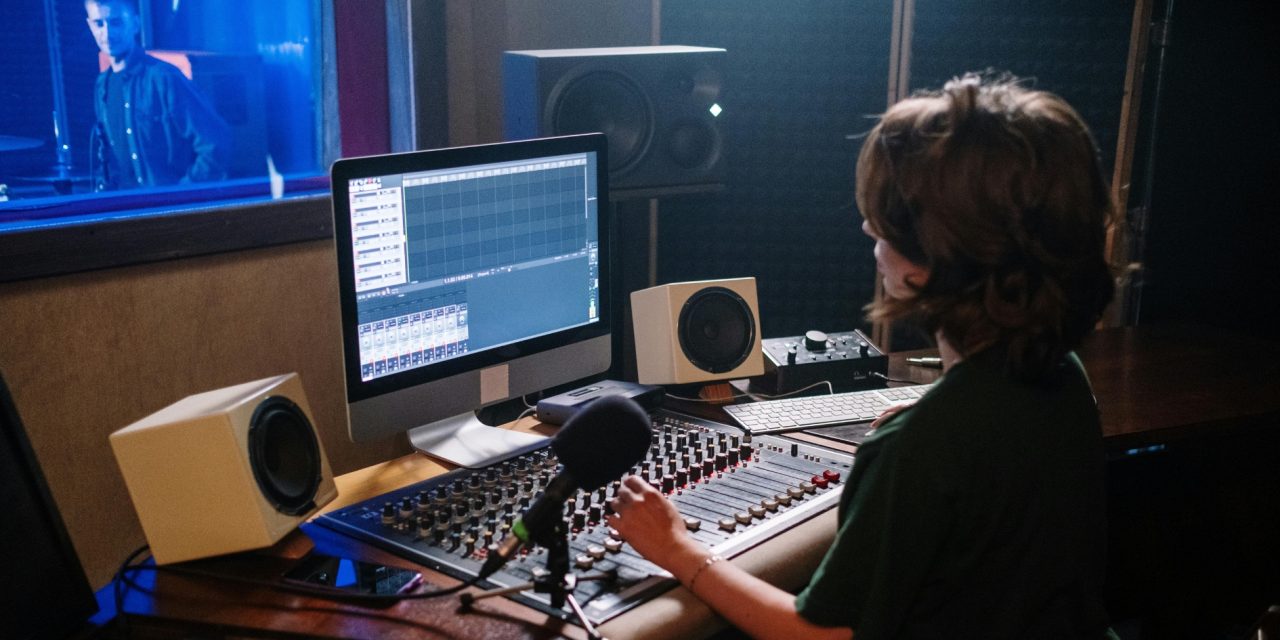
Layering in soul music isn’t about stacking sounds until the track feels full. It’s about making every layer feel intentional, like each element has a place and a purpose.
In modern soul production, the difference between a flat track and one that feels alive often comes down to how you handle space and balance. When done right, layering creates warmth, movement, and that emotional pull soul music is known for. When done wrong, it just turns into mud.
Using Reverb and Delay to Build Space
In soul, space is part of the emotion. Reverb and delay aren’t just effects—they shape how a listener feels the music.
Using tools like Valhalla Room, you can control how far or close an instrument feels in the mix. For vocals, a decay around 2.5 seconds adds richness without washing out clarity. Guitars or supporting instruments benefit from shorter decay times, around 1.5 seconds, keeping things tight while still adding depth.
Delay adds movement. A simple quarter-note delay with moderate feedback can give drums or background elements a rhythmic bounce without cluttering the mix. The key is subtlety—each effect should support the groove, not compete with it.
Balancing Frequencies for a Clean, Full Mix
Layering falls apart fast if frequencies clash. Soul production thrives on clarity, especially when multiple warm instruments are playing together.
Start with simple EQ decisions. Rolling off low frequencies on vocals around 80Hz clears space for bass elements. Tools like FabFilter Pro-Q help visualize overlaps, making it easier to carve out room for each sound.
Reference tracks are essential here. Songs like Brown Sugar by D’Angelo show how to balance rich instrumentation without losing clarity. Notice how each element sits comfortably without overpowering the others.
Pairing complementary sounds also makes a huge difference. A soft Rhodes layered with a warm bassline creates fullness without crowding the mix. It’s not about adding more—it’s about choosing better.
Conclusion
Great soul production isn’t loud or overly complex. Rather, it’s intentional. Layering works when every sound has space, depth, and a role in the overall emotion of the track.
By controlling reverb, shaping delay, and balancing frequencies carefully, you can create mixes that feel rich without being overwhelming. And as we continue exploring production techniques, these fundamentals will keep showing up—they’re what separate decent tracks from unforgettable ones.
When you’re building a soul track, do you struggle more with getting depth or keeping your mix clean?
Let us know in the comments and keep refining your soul production skills only at DLK Soul!


