If you’ve ever caught yourself vibing to a “throwback” only to realize it somehow sounds current again, you’re not alone.
Music nostalgia has officially entered its remix era—where the past doesn’t just stay remembered, it gets reimagined. What’s interesting now isn’t just that we revisit old sounds, but how technology and culture keep finding new ways to make them feel fresh, relevant, and impossible to ignore.
Trends to Watch
One major trend shaping music nostalgia is the rise of remixes and tributes to 90s hits, driven by a growing desire to reconnect with defining cultural moments. Platforms like TikTok and Spotify are at the center of this movement, turning old tracks into viral sensations almost overnight. A single challenge built around a 90s song can introduce it to millions of new listeners while reigniting love from older fans.
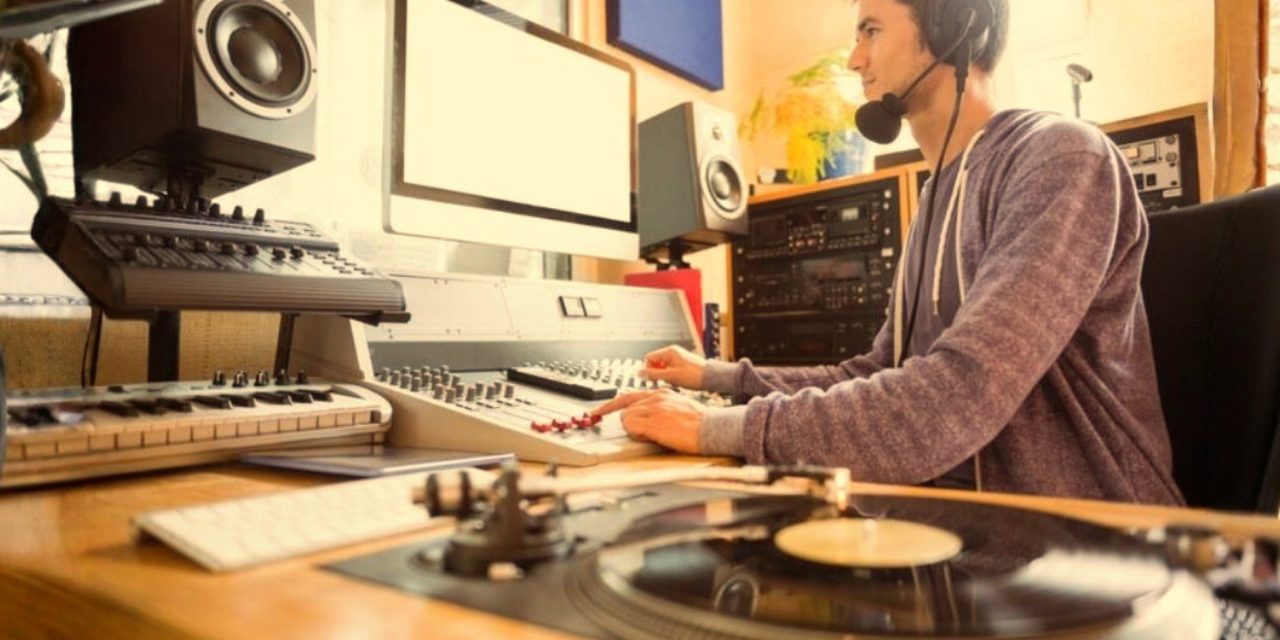
At the same time, emerging technologies are pushing nostalgia into more creative territory. AI-powered tools are allowing artists to reinterpret classic tracks with modern production, blending familiar melodies with contemporary sounds. This doesn’t just revive songs—it reshapes them for a new generation.
Beyond streaming, live experiences are also evolving. Tribute concerts focused on 90s music continue to draw crowds, while virtual reality is opening the door to immersive throwback experiences. These innovations allow fans to not just hear the past, but step into it, creating a deeper and more interactive connection to music history.
Generational Influence and Cultural Impact
The lasting influence of 90s music goes beyond sound—it plays a key role in shaping cultural identity across generations. That era’s blend of grunge, hip-hop, and pop created a foundation that still echoes in today’s music. Artists like Billie Eilish openly draw inspiration from bands like Nirvana, showing how 90s aesthetics continue to influence modern visuals and lyrical themes.
Streaming culture has also strengthened this connection. Nostalgia-driven playlists regularly feature artists like TLC and Radiohead, keeping their music in constant rotation. This accessibility allows younger audiences to discover older sounds organically, while older listeners revisit them with fresh perspective.
What makes this trend powerful is its ability to bring people together. Millennials and Gen Z may experience these songs differently, but they meet in the same space—sharing, remixing, and celebrating music that continues to evolve. Nostalgia, in this sense, becomes less about the past and more about connection in the present.
Conclusion
Music nostalgia is no longer just about looking back—it’s about re-creating the past in ways that feel current and meaningful. With the help of digital platforms and emerging technologies, older sounds are finding new life and new audiences.
As this trend grows, the line between old and new will continue to blur, making nostalgia an active part of music’s future rather than a reflection of its past. The result is a constantly evolving soundscape where every generation has a role to play.
Build your ultimate 3-song throwback starter pack—the kind that would instantly set the vibe in any room.
Share your picks and keep the nostalgia alive with sounds that still hit today only on DLK Soul!