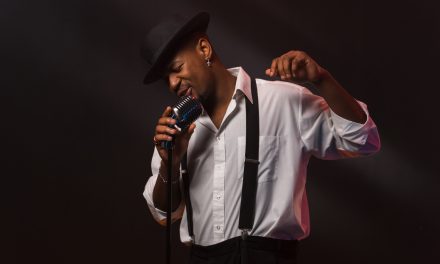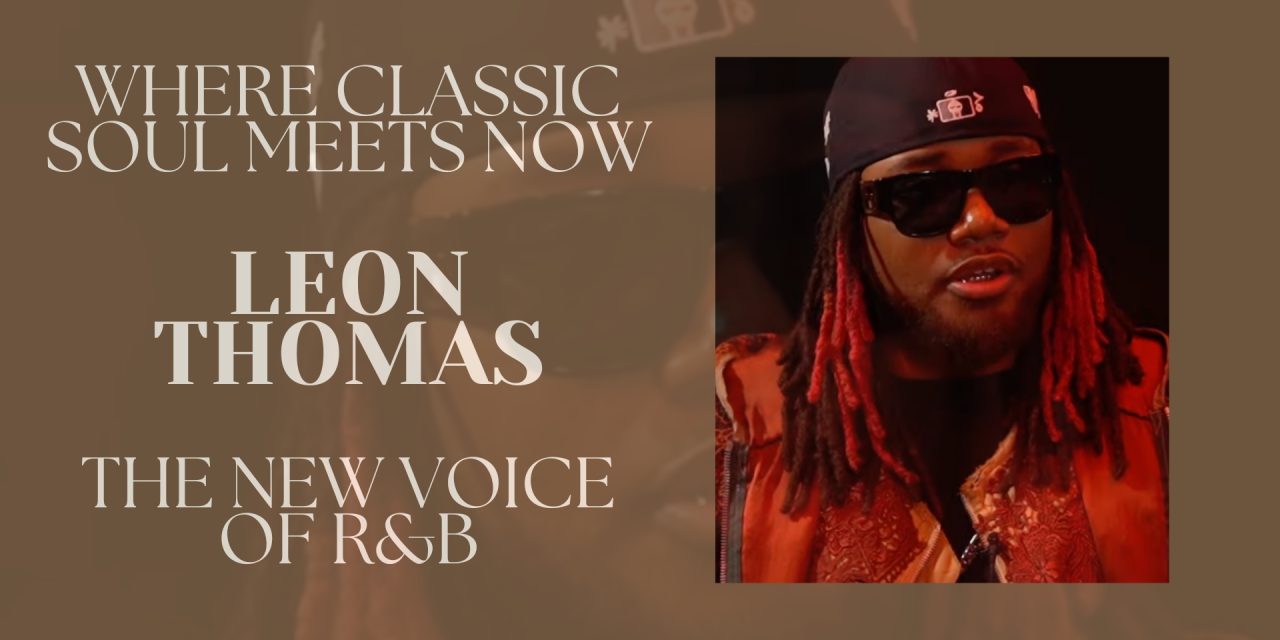
There’s a certain kind of artist you don’t just hear—you notice. The voice feels intentional, the choices feel crafted, and the transitions between smooth and explosive never sound accidental. Leon Thomas sits right in that lane.
He doesn’t just move between R&B and hip-hop. He stitches them together in a way that feels lived-in. The result is a sound that’s polished without losing edge, and expressive without drifting into excess. It’s that balance—equal parts control and freedom—that’s quietly positioning him as one of the most compelling voices in contemporary R&B.
Early Career and Breakthrough
At just 13, Leon Thomas stepped into mainstream visibility through Victorious, voicing Dre across four seasons and 60 episodes. It wasn’t just a foot in the door—it was an early showcase of musical instinct, timing, and vocal identity. Around the same period, releases like Sunday Best began circulating online, pulling in over a million YouTube views and hinting at something deeper than a typical child-star trajectory.
The real turning point came after the show. Instead of leaning fully into acting opportunities, Thomas made a deliberate shift toward music. That decision—quiet at the time—now reads as strategic. Between 2010 and 2013, he balanced Victorious with early mixtape work like Trial & Error, laying down the foundations of his vocal range and falsetto control.
By 2016, he had moved into high-level songwriting, contributing to artists like Ariana Grande. That placement didn’t just validate his writing—it opened doors into industry collaboration. Then came Nothing Less in 2018, peaking at #15 on the Heatseekers chart, followed by the 2020 Mutants & Morons mixtape, which solidified his identity as more than a behind-the-scenes talent. It was here that his blend of neo-soul textures and hip-hop structure began to fully click.
Unique Musical Style
What makes Leon Thomas stand out isn’t just versatility—it’s restraint. While many artists lean heavily on effects, he often strips things back. Minimal auto-tune, live instrumentation, and intentional vocal layering give his music a rawness that feels increasingly rare.
His sound sits somewhere between the trap-soul moodiness of Bryson Tiller and the introspective warmth of Daniel Caesar. But instead of imitating either, he pulls elements from both and reshapes them. Projects like Electric Dusk highlight this clearly—groovy basslines, subtle synth textures, and vocals that carry emotional weight without overreaching.
As a singer, songwriter, and producer, Thomas controls the full creative loop. That matters. It means the emotion in the lyrics, the tone in the production, and the delivery in the vocal all come from the same place. And listeners can tell.
Fusion of R&B, Hip-Hop, and Soul
A track like Broke offers a clean snapshot of his approach: a 90 BPM trap foundation layered with a Curtis Mayfield-inspired guitar sample and lifted by falsetto runs that feel both effortless and precise. It’s not just genre-blending—it’s genre balancing.
Across his catalog, the breakdown leans roughly 60% R&B, 25% hip-hop, and 15% soul. That ratio matters because it explains why his music feels accessible without being predictable. Songs like After Hours bring in synth-wave textures and trap hi-hats, while X-Rated leans into live drums and melodic rap phrasing.
Compared to artists like The Weeknd or SZA, Thomas often sounds less processed and more immediate. His vocal imperfections—slight cracks, breathy transitions, ad-lib textures—become strengths rather than flaws. They make the music feel human.
And that’s ultimately the point. Beneath the production choices and genre interplay, there’s a clear through-line: storytelling that feels personal, delivered with just enough swagger to keep it engaging.
Conclusion
Leon Thomas isn’t chasing trends—he’s refining a sound that sits comfortably between eras. There’s a clear respect for classic soul, a strong grip on modern R&B, and just enough hip-hop influence to keep things unpredictable. It’s this balance that makes his rise feel less like hype and more like timing finally catching up with talent.
Do you think Leon Thomas is shaping the next era of R&B, or redefining what the genre even means today?
Let us know in the comments, and stay locked into the evolution of real soul music only at DLK Soul!