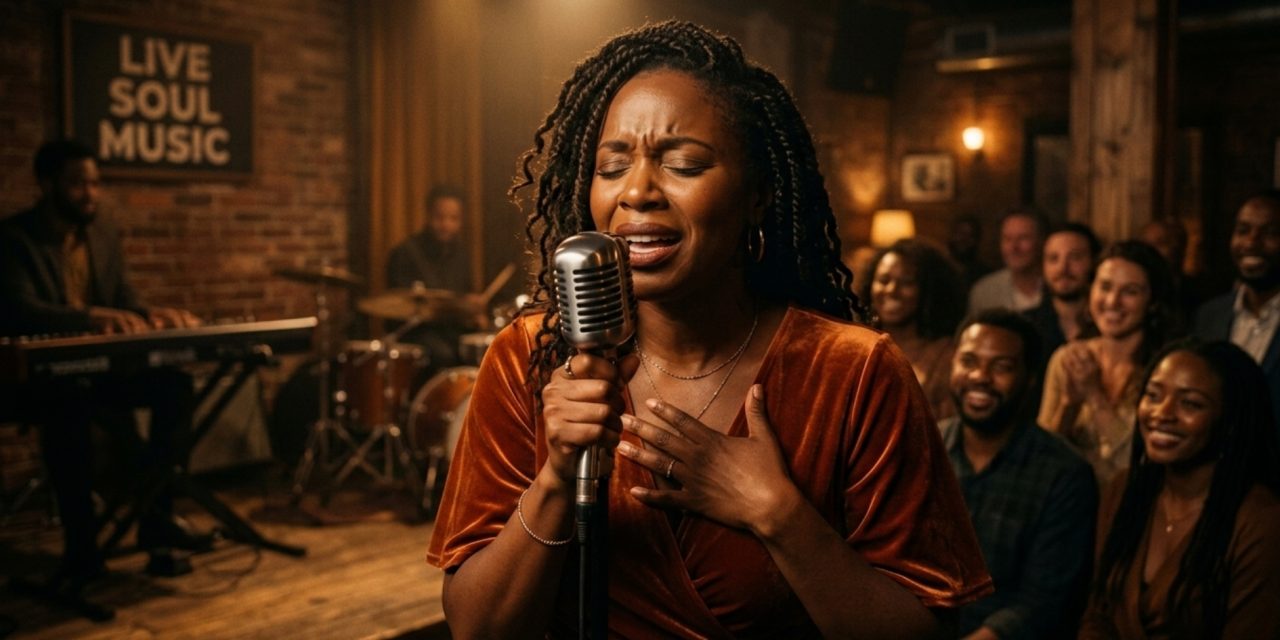
Soul music is not simply heard — it is felt.
Emotion serves as the heartbeat of soul music, where lyrics and performances are intentionally crafted to evoke profound feelings and establish a deep, lasting connection with the audience. Every vocal inflection, lyrical phrase, and melodic swell exists for one purpose: to move people.
What makes soul music endure across generations is not just its sound, but its emotional honesty.
Expressive Lyrics
At the core of that honesty are expressive lyrics. Soul music frequently captures personal struggles, societal injustice, resilience, faith, and profound joy. Through rich storytelling techniques, artists transform lived experiences into songs that resonate deeply with listeners.
This emotional depth is powerfully illustrated in Aretha Franklin’s song Respect, which moves beyond a simple demand and becomes a declaration of dignity and empowerment.
Similarly, Marvin Gaye’s What’s Going On confronts social injustice and calls for unity, channeling collective pain into a plea for compassion and awareness.
Then there is Bill Withers’s Lean on Me, which highlights community support through simple yet deeply relatable storytelling. Its message feels intimate, yet universally applicable.
In each case, heartfelt lyrics are paired with rich melodies that amplify emotional impact. The result is music that feels both deeply personal and broadly human.
To analyze lyrical content effectively, active listening is essential. Pay attention to narrative structure, repeated phrases, and emotional shifts within verses and choruses. Resources like Genius can also provide helpful insight into layered meanings and historical context.
Connection with the Audience
While lyrics form the emotional foundation, a connection is forged through performance.
Soul artists have long used call-and-response techniques and passionate vocal delivery to draw audiences directly into the experience. This tradition, rooted in gospel influence, transforms concerts from performances into shared emotional encounters.
Artists such as Aretha Franklin and Otis Redding mastered this dynamic. During live shows, they didn’t simply sing to the crowd — they sang with them, inviting participation, prompting responses, and allowing space for spontaneous interaction.
In performances of “Respect,” Franklin often encouraged audience involvement, generating an electric atmosphere built on collective energy. This exchange elevated the message from a solo declaration to a communal anthem.
Beyond call-and-response, many soul artists incorporate personal storytelling and shout-outs during performances, making listeners feel seen and valued. Dynamic staging further strengthens that bond. Moving among the audience reduces distance and fosters intimacy.
This approach is evident in Maxwell’s live performances, where soulful melodies are paired with heartfelt engagement, reinforcing the idea that soul music thrives in shared emotional space.
Conclusion
Emotion is not an accessory in soul music — it is its foundation.
Through expressive lyrics and authentic performance, soul artists transform personal experience into collective feeling. They invite audiences not just to listen, but to participate — to see themselves in the story, to respond, to feel understood.
That emotional exchange is what sustains the genre. Long after the final note fades, the connection remains.
Have you ever felt a soul song express something you couldn’t quite put into words yourself?
At DLK Soul, we continue exploring the stories, voices, and emotional power behind the music — uncovering why soul doesn’t just entertain, but resonates at the deepest human level.