R&B has never been shy about borrowing ideas, but today it borrows with confidence and returns with interest. The genre now moves comfortably between soulful tradition and modern experimentation, often borrowing hip-hop’s swagger while keeping its emotional core intact. What once felt like crossover moments now feel like the standard language of modern R&B.
R&B’s Expanding Role Within Hip-Hop
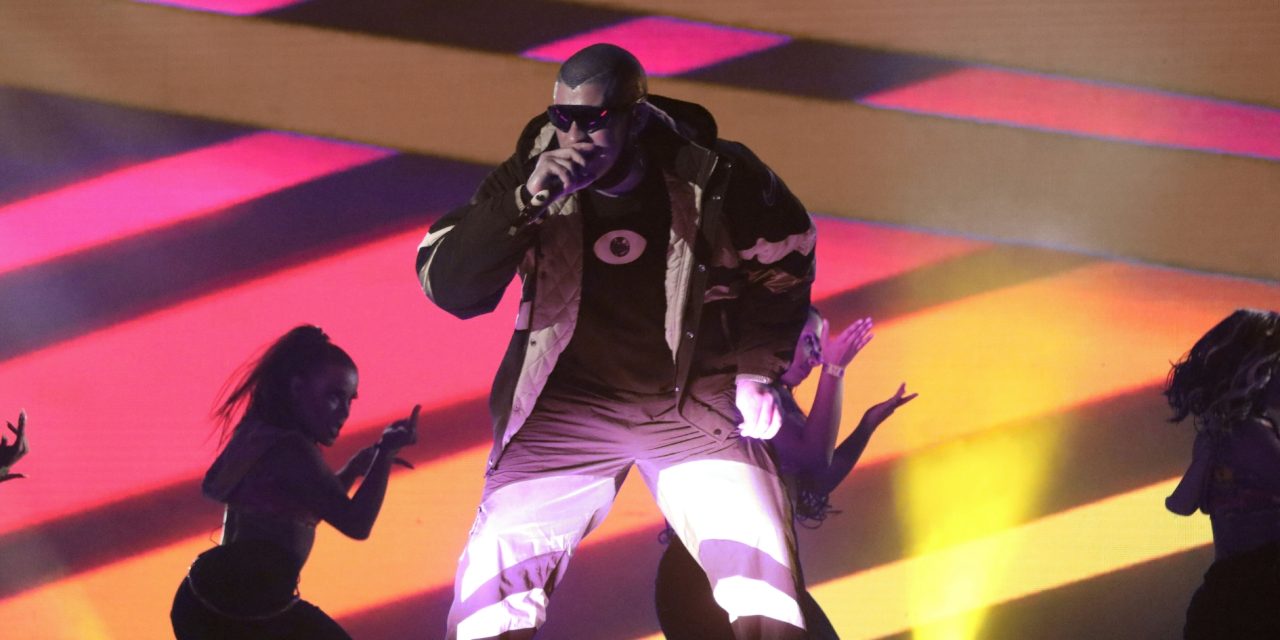
The relationship between R&B and hip-hop has grown so intertwined that separating the two can feel unnecessary. R&B artists often provide melodic hooks and emotional framing, while hip-hop verses bring narrative sharpness and rhythmic drive. Together, they create songs that feel both intimate and commercially powerful.
Tracks like Drake’s “Hotline Bling” highlight how melodic phrasing and vulnerable themes can sit comfortably within hip-hop production. Similarly, “Love Galore” shows how SZA’s smooth, expressive vocals balance Drake’s restrained delivery, creating a dynamic that appeals to fans of both genres. Bryson Tiller’s “Exchange” takes this fusion further by pairing a hip-hop-inspired beat with confessional R&B songwriting, proving that intimacy still thrives within modern production.
This blend attracts wider audiences while redefining chart success. R&B is no longer a supporting element. It has become a core emotional engine within mainstream hip-hop culture.
Contemporary Artists Redefining the Genre
A new generation of artists is reshaping R&B by prioritizing authenticity over polish. H.E.R., SZA, and Khalid approach the genre with deeply personal storytelling, reflecting modern relationships, uncertainty, and emotional self-awareness.
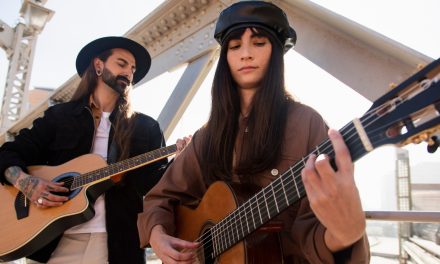
H.E.R. stands out for merging classic soul sensibilities with contemporary production, often grounding her music in themes of love, resilience, and empowerment. Her guitar-driven approach adds texture and musicianship that feels both modern and rooted.
SZA’s album Ctrl challenged traditional R&B expectations by embracing vulnerability, messy emotions, and unfiltered honesty, shifting the genre toward emotional realism. Khalid adds another layer by blending R&B with pop and electronic influences, capturing youthful perspectives through songs like “Location,” which reflects modern dating and emotional distance.
Together, these artists expand what R&B can sound like and what it can talk about. Their music mirrors the complexity of current experiences, making the genre more inclusive and culturally relevant.
Wrap Up
Modern R&B thrives because it adapts without losing its emotional center. Hip-hop influences, evolving production styles, and honest storytelling have pushed the genre forward while keeping its soul intact. As artists continue to blur boundaries, R&B remains a living genre that reflects how people feel, connect, and express themselves today.
Has R&B evolved by blending with hip-hop, or has it simply revealed what it was always capable of becoming? Explore deeper perspectives on soul, R&B, and cultural evolution on DLK Soul.