Soul ballads did not become timeless by accident. They were shaped by artists who used emotion, storytelling, and social awareness to redefine what popular music could carry.
Long before streaming playlists and algorithmic discovery, soul music reached people through voices that felt personal, urgent, and deeply human. Understanding the influence of these artists helps explain why soul ballads continue to resonate decades later.
Marvin Gaye and the Rise of Socially Conscious Soul
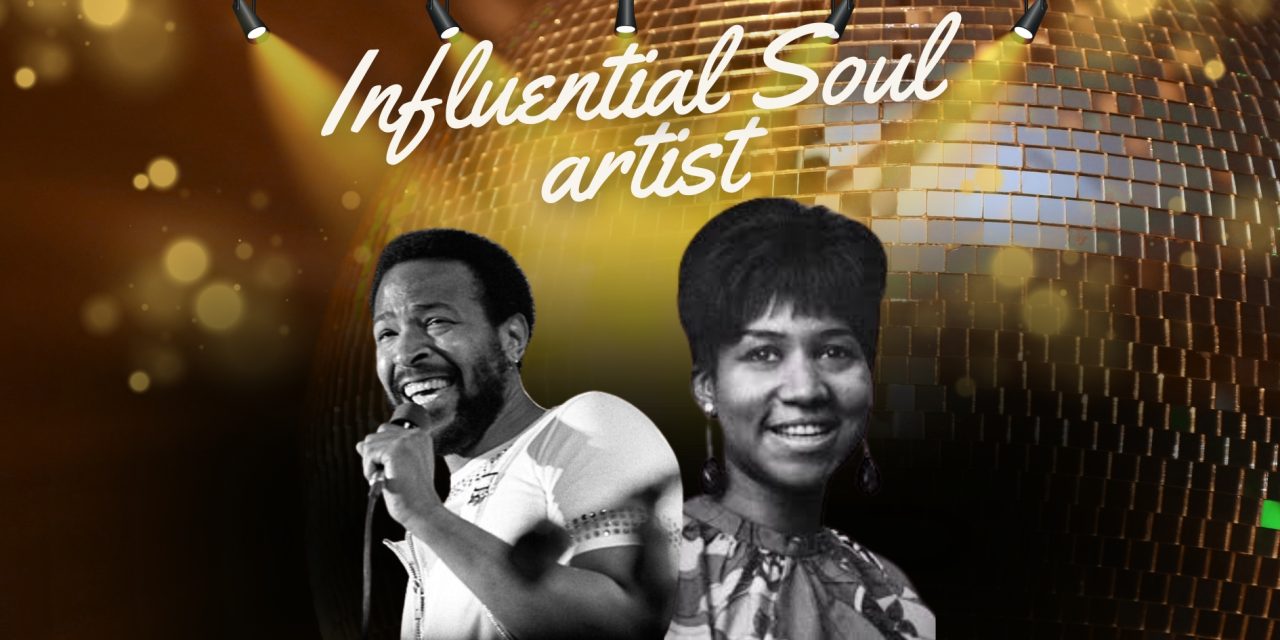
Marvin Gaye transformed soul ballads by proving they could be both intimate and political without losing emotional depth. His 1971 album What’s Going On marked a turning point, shifting soul music away from purely romantic themes toward broader social reflection.
Songs like “Mercy Mercy Me (The Ecology)” and “Inner City Blues (Make Me Wanna Holler)” addressed environmental damage, poverty, and systemic injustice with vulnerability rather than protest slogans.
What made Gaye’s work especially influential was how seamlessly the message blended with melody. His smooth vocal layering and understated arrangements allowed difficult subjects to feel approachable, even comforting.
This balance created a template later adopted by artists such as D’Angelo and Erykah Badu, who carried forward the idea that soul music could question society while remaining emotionally accessible. The album’s success, including reaching No. 1 on the Billboard 200, confirmed that audiences were ready for depth alongside beauty.
Aretha Franklin and the Power of Emotional Authority
Aretha Franklin’s impact on soul ballads came from her unmatched ability to turn personal emotion into collective experience. Her performances carried authority, conviction, and clarity, making each song feel both deeply individual and universally relevant. Tracks like “Respect” and “(You Make Me Feel Like) A Natural Woman” moved beyond standard love-song territory to become cultural statements about dignity, self-worth, and empowerment.
Franklin’s influence extended well beyond sound. Her music became intertwined with social movements, particularly around women’s rights and civil equality, without ever feeling forced or performative. Over the course of her career, her 18 Grammy Awards reflected not just technical excellence, but sustained cultural relevance.
Contemporary artists such as Adele and Beyoncé often cite Franklin’s vocal control and emotional honesty as foundational to their own artistic development. Her legacy continues to define what emotional authenticity in soul music truly means.
Wrap Up
The enduring power of soul ballads lies in their emotional truth, and Marvin Gaye and Aretha Franklin established that standard. Their music showed that vulnerability, conviction, and craftsmanship could coexist without compromise. Modern soul artists still draw from these foundations, whether through lyrical depth, vocal phrasing, or socially aware storytelling.
By understanding their influence, listeners gain a deeper appreciation for why soul ballads feel timeless rather than nostalgic. They are not frozen in the past; they remain relevant because they speak to experiences that persist across generations.
What makes a soul ballad timeless in your eyes, the message, the voice, or the emotion behind it? Explore more soul-defining stories and timeless influences on DLK Soul, where classic depth meets modern appreciation.