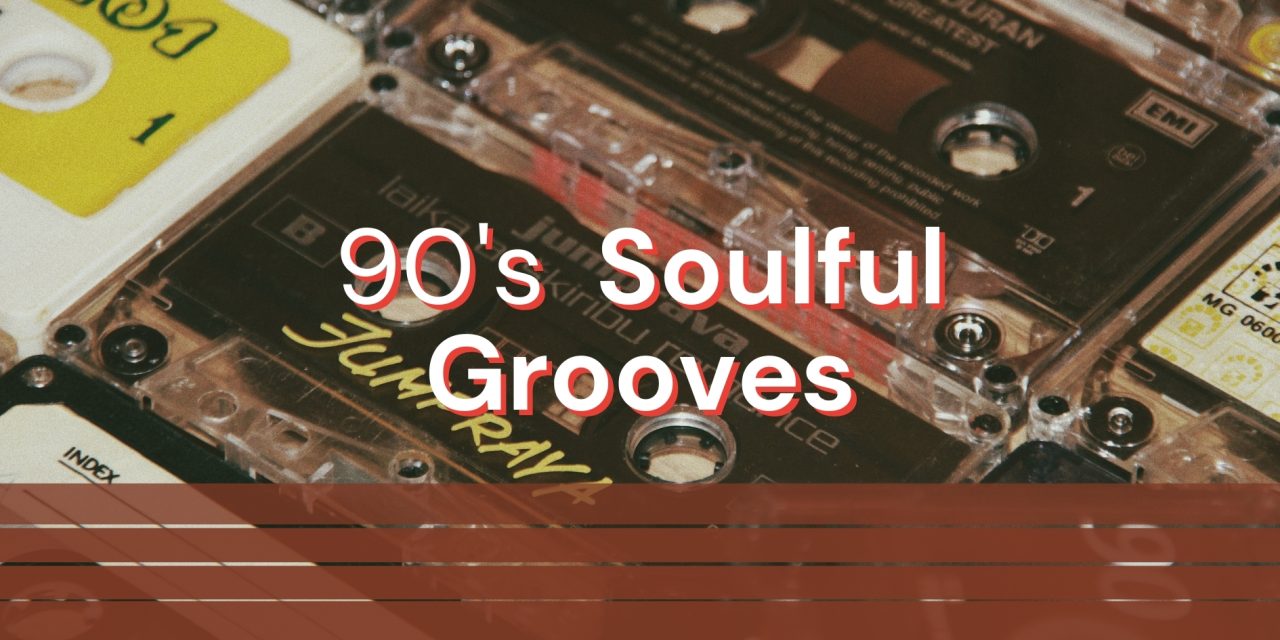
There is something quietly powerful about 90s soulful music that refuses to fade with time. Long after the charts have moved on, these songs continue to surface during reflective moments, late-night drives, and conversations that drift toward “remember when.” This is not accidental.
The grooves, lyrics, and vocal delivery of 90s soul created emotional anchors, tying music to lived experience. This article examines why those songs remain therapeutic today and how their emotional weight continues to resonate with listeners, connecting them to memories, meaning, and a shared humanity.
How 90s Soul Music Connects to Personal Memory
Music from the 1990s often functions as a personal time capsule. Many listeners associate specific songs with milestones such as graduations, weddings, family gatherings, or unforgettable parties. These tracks did not simply play in the background; they marked moments that shaped identity and relationships.
For example, I Will Always Love You by Whitney Houston frequently evokes memories of farewells or deeply emotional family moments. In contrast, the playful energy of Wannabe by the Spice Girls often transports listeners back to carefree school dances and youthful friendships.
These associations explain why revisiting 90s music can feel both comforting and emotional. Creating a nostalgic playlist or hosting a themed gathering where people share their favorite tracks and related memories allows these connections to surface again. Such experiences revive cherished moments while strengthening bonds through shared recollection.
Universal Themes That Give ’90s Soul Its Lasting Power
Beyond memory, 90s soul music resonates because it speaks to universal emotional experiences. Themes of love, heartbreak, resilience, and hope run through many of its most iconic tracks. These themes allow listeners from different backgrounds to see their own stories reflected in the music.
End of the Road by Boyz II Men captures the quiet devastation of love lost, articulating emotions many struggle to express. Mary J. Blige’s Real Love offers a hopeful counterpoint, celebrating the search for authenticity and emotional fulfillment.
Even A Change Is Gonna Come by Sam Cooke, though originally released in the 1960s, found renewed relevance in the 1990s. Its themes of perseverance and social justice resonated deeply during that era and continue to move listeners today. Together, these songs demonstrate how soulful grooves transcend time by addressing emotions that never go out of style.
Conclusion
The emotional resonance of 90s soulful grooves lies in their ability to connect memory with meaning. These songs hold space for personal reflection while also speaking to collective experiences of love, loss, and hope. Their therapeutic quality comes not from nostalgia alone, but from emotional honesty delivered through unforgettable sound.
As listeners revisit these tracks, they are not simply remembering the past. They are reconnecting with parts of themselves shaped by the music that once played during life’s defining moments.
Which memories surface for you when a classic ’90s soul track starts playing? At DLK Soul, we explore how timeless music continues to shape emotion, identity, and shared experience.