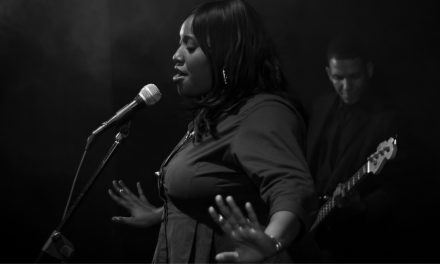
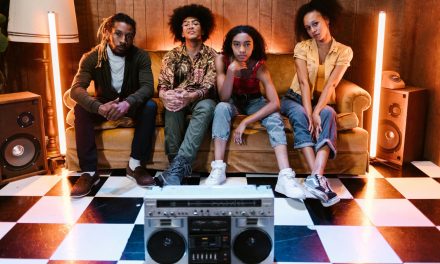
It’s honestly hilarious how an R&B challenge can go from “this is just me trying something cute” to “the entire internet has decided this is our new national dance.” One minute there’s a single video with someone doing their best body roll, and the next minute everyone from toddlers to CEOs is attempting the same move with wildly different levels of success.
But beneath the comedy is a pattern—R&B challenges feel authentic. They tap into real emotion and real rhythm, which makes people feel safe to join in, even if their coordination is… aspirational. That blend of vibe, honesty, and participation is exactly why the format keeps thriving.
Here’s how these moments evolve into full-blown trends.
Hooks, Lyrics & Melodies That Stick to Your Brain
Viral R&B challenges usually start with one thing: a hook so catchy you involuntarily hum it while making breakfast. These hooks pair memorable lyrics, repetitive patterns, and simple melodic lines, giving them the perfect recipe for shareability and music discovery.
Take “Say So” by Doja Cat—its earworm melody practically begged to become a TikTok staple. Or “Blinding Lights” by The Weeknd, which uses an irresistible synth riff and a clean, punchy refrain that fits seamlessly into challenge culture. Then there’s “Truth Hurts” by Lizzo, where bold, meme-worthy lines turned everyday phrases into global soundbites.
If you’re crafting your own hook, lean into repetition, relatable themes, and unique but trend-aware production choices. Tools like Logic Pro and GarageBand make experimenting easier than ever, allowing you to test rhythms, phrases, and melodic variations to build something irresistibly loopable.
Choreography That Sparks Participation
The second half of a viral R&B challenge? The dance. But not just any dance—movements that feel accessible, expressive, and fun to remix.
The “Say So” challenge is a perfect example, blending light, playful gestures with smooth R&B-inspired transitions. Its moves look simple enough—until the timing exposes who practiced and who absolutely did not. That built-in difficulty made participation both engaging and rewarding.
Meanwhile, the “Savage” challenge transformed Megan Thee Stallion’s track into a choreography phenomenon. The sharp, signature steps invited creativity, leading to remixes, duets, slowed versions, sped-up versions—you name it. This remix culture amplified the song’s reach, proving how choreography can fuel both community expression and repeat listens.
When choreography feels flexible, users adapt it, personalize it, and keep the trend alive far longer than the original creator expected.
Conclusion
R&B challenges thrive because they combine the emotional pull of the genre with the participatory energy of social media. Catchy hooks reel people in, while dynamic choreography keeps them dancing, sharing, and reshaping the trend. Together, these elements create moments that feel organic, communal, and irresistibly viral.
What R&B challenge do you think could break the internet next? Keep the inspiration going at DLK Soul, where the next wave of soulful trends starts before everyone else catches on.