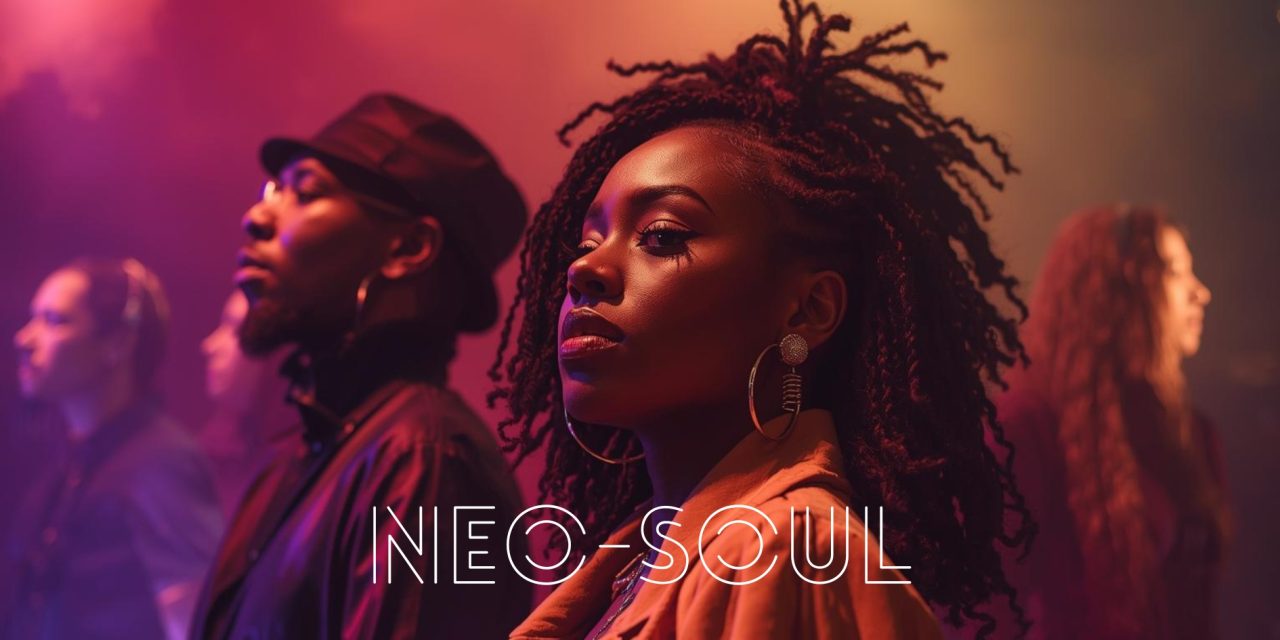
Neo-Soul has never been the kind of genre that stays quiet in the corner. It listens, absorbs, evolves, then casually reminds everyone where real feeling lives. While its roots are deeply planted in classic soul and R&B, today’s Neo-Soul scene proves the genre is very much alive, reshaping itself through new voices, modern production, and emotional honesty that still feels timeless.
Emerging Artists Carrying Neo-Soul Forward
A new generation of artists continues to expand Neo-Soul’s emotional and sonic boundaries without losing its original spirit. H.E.R. stands at the forefront, blending live instrumentation with modern storytelling, creating music that feels both intimate and socially aware. Her approach bridges classic soul sensibilities with contemporary themes, allowing Neo-Soul to speak directly to today’s listeners.
Saba brings a thoughtful, jazz-leaning perspective into the genre, often weaving introspective lyricism with soulful arrangements influenced by hip-hop and spoken word traditions. His music reflects the genre’s growing openness to narrative depth and personal vulnerability.
Masego adds a playful yet technical dimension, using saxophone-driven melodies and smooth vocals to reintroduce improvisation into mainstream Neo-Soul spaces. His breakout track “Tadow” remains a defining example of how jazz elements can thrive within modern soul frameworks.
SiR’s contribution lies in emotional subtlety. Songs like “Hair Down” showcase introspective writing paired with warm R&B textures, reinforcing Neo-Soul’s focus on mood and emotional atmosphere rather than spectacle. Ari Lennox continues to strengthen female representation within the genre, with tracks like “Shea Butter Baby” blending rich vocals, honesty, and softness that feel both nostalgic and refreshingly current.
Together, these artists demonstrate how Neo-Soul continues to grow by welcoming hip-hop rhythms, electronic flourishes, and personal storytelling, while keeping its emotional core intact.
The Revival of Classic Sounds in Modern Releases
Alongside emerging voices, Neo-Soul’s evolution is equally defined by its respectful return to classic sonic elements. Many modern releases intentionally lean into analog textures, live instrumentation, and warm production choices that echo the genre’s origins.
Hiatus Kaiyote’s album Mood Valiant is a strong example of this revival. The project blends lush chord progressions, experimental rhythms, and analog synth textures, creating a soundscape that feels adventurous yet deeply rooted in soul traditions. The album’s warmth and complexity highlight how vintage-inspired techniques can still feel forward-thinking.
Similarly, Snoh Aalegra’s Temporary Highs in the Violet Skies draws heavily from classic R&B aesthetics while maintaining a modern emotional tone. Her airy vocal delivery, layered harmonies, and soulful grooves evoke nostalgia without sounding dated. The album’s emotional honesty mirrors the depth that originally defined Neo-Soul’s appeal.
Many artists within the genre intentionally use vintage microphones, tape saturation, and live recording techniques to preserve authenticity. This approach results in music that feels human, textured, and emotionally immersive, offering listeners a familiar warmth in an increasingly digital world.
Conclusion
Neo-Soul’s impact on artists and new releases proves the genre is not simply surviving, but steadily evolving. By embracing both innovation and tradition, today’s artists honor the genre’s past while shaping its future. The balance between emotional vulnerability, classic instrumentation, and modern storytelling ensures Neo-Soul remains a meaningful space for artistic expression and listener connection.
Can Neo-Soul continue evolving without losing the emotional depth that defines it? Explore more stories shaping soul music culture on DLK Soul, where timeless feeling meets modern sound.