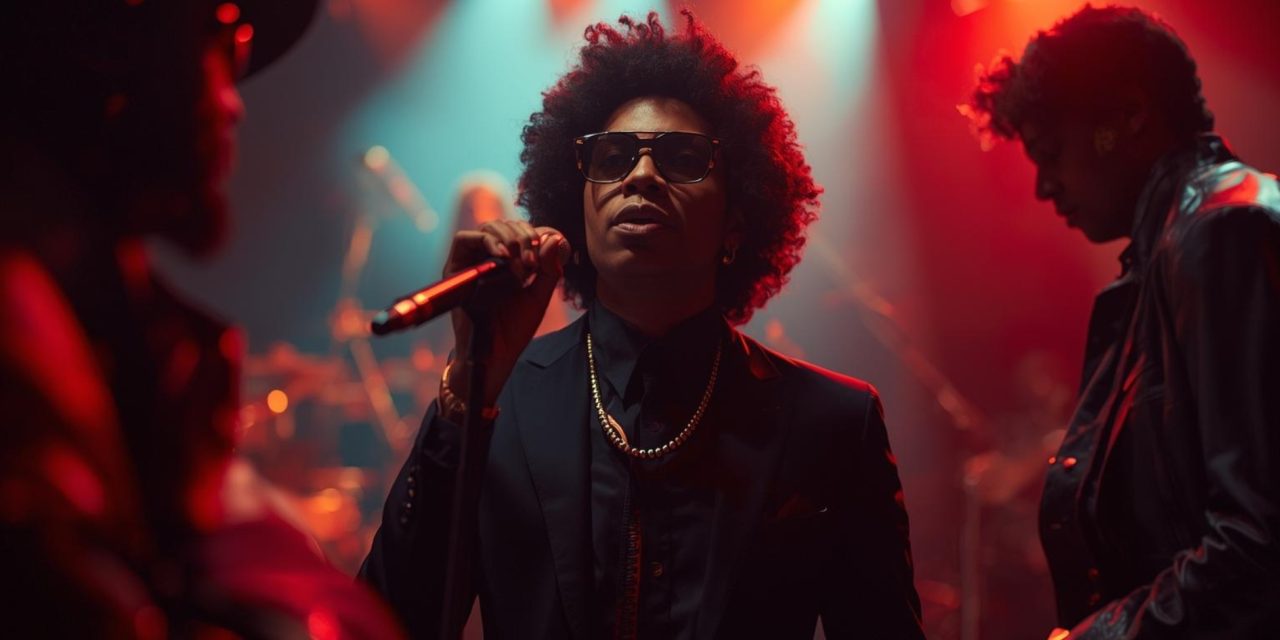
If soul music had a cool, artsy cousin who thrifts vintage records and experiments with quirky beats on their laptop, that cousin would be neo-soul.
Defined by its fusion of soul, R&B, funk, and jazz, this genre doesn’t just echo the past—it reinvents it. Artists like Erykah Badu and D’Angelo layered horns, guitars, and poetic lyricism to create timeless and startlingly fresh music.
Unlike formulaic pop hooks, neo-soul thrives on emotion-driven storytelling. Lyrics often tackle identity, love, and social issues with metaphors so vivid they could double as journal entries. Pair that with unconventional beats and you get a textured soundscape where tradition and experimentation collide.
Defining Neo-Soul and Its Emotional Impact
Neo-soul is distinguished by its fusion of soul, R&B, funk, and jazz elements. This is often highlighted by artists such as Erykah Badu and D’Angelo, who reimagine traditional musical styles. This genre makes significant use of instruments like acoustic guitars and horns, contributing to a rich and immersive soundscape that evokes nostalgia.
The focus on deeply emotional and poetic lyrics facilitates personal storytelling, frequently exploring themes of love, identity, emotion, and social issues.
For example, tracks like Badu’s On & On exemplify the use of intricate metaphors and vivid imagery. Many neo-soul artists also collaborate with producers who infuse unconventional beats and sound samples, resulting in a distinct texture.
Historical Roots and Cultural Influence
Emerging in the 1990s, neo-soul represented a revival of the rich musical heritage of the 1970s. It drew inspiration from influential artists like Marvin Gaye and Stevie Wonder. Key figures such as Erykah Badu, D’Angelo, and Jill Scott were deeply influenced by these legacies, blending them with contemporary styles.
Badu’s debut album, Baduizm, carried jazz-infused grooves and introspective lyrics, while D’Angelo’s Brown Sugar showcased a smooth balance of R&B and funk. Jill Scott’s poetic storytelling continued the tradition of socially aware soul music, giving neo-soul its cultural depth and timeless quality.
Conclusion
Neo-soul is more than a genre—it’s a movement that fused heritage with innovation, giving artists space to be vulnerable, socially conscious, and experimental. Its echoes still shape modern R&B and hip-hop, proving that music grounded in truth and emotion never fades.
Why does neo-soul still resonate so deeply with listeners decades after its rise? Dive deeper into the sound, the stories, and the soul at DLK Soul.