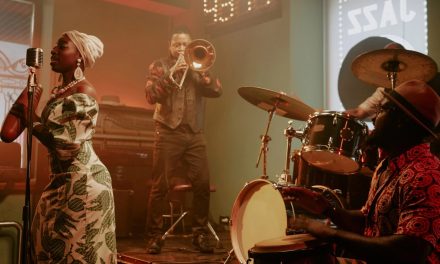
The 1990s marked a golden age for soul music — an era where emotion met groove and artistry met innovation. It was the decade when musical boundaries blurred, and soulful expression reached new heights. Rich harmonies, heartfelt vocals, and fearless experimentation defined this sound. The 90s didn’t just give us songs — it gave us moments that still echo through today’s playlists.
Key Genres and Influences
The ’90s soul sound was a melting pot of styles and genres — R&B, hip-hop, and new jack swing all converged to create something timeless. Each genre brought its own flavor, giving the decade its unmistakable pulse.
R&B reigned supreme with lush melodies and powerful voices. Whitney Houston’s soaring vocals on “I Will Always Love You” reminded the world how passion could transcend generations. The track became more than a hit — it was a global anthem of devotion.
Meanwhile, hip-hop evolved from the streets into the mainstream, injecting rhythm and storytelling into soul. The Notorious B.I.G.’s “Juicy” showed that truth and vulnerability could groove just as hard as any beat.
Then came new jack swing — the electric blend of R&B and hip-hop pioneered by Teddy Riley. Productions for Bobby Brown and Guy turned dance floors into confession booths, where love, heartbreak, and swagger collided. This fusion continues to inspire artists who strive to balance rhythm with raw emotion.
Together, these genres formed the backbone of 90s soul — smooth yet bold, personal yet universal.
Notable Artists and Their Contributions
The soul icons of the 90s weren’t just performers — they were storytellers who rewrote the rules. Mary J. Blige, D’Angelo, and Aaliyah didn’t follow trends; they set them.
Mary J. Blige fused gospel emotion with hip-hop grit in “What’s the 411?”, creating a new template for honest, streetwise soul. D’Angelo’s “Brown Sugar” birthed the neo-soul movement, bringing live instrumentation and silky vocals back to center stage. And Aaliyah’s “One in a Million”, produced by Timbaland and Missy Elliott, married futuristic beats with vulnerability — redefining what modern R&B could sound like.
Each artist shaped the genre’s evolution while staying rooted in emotional authenticity. Their music wasn’t just entertainment; it was liberation, reflection, and self-expression wrapped in rhythm. Their influence continues to ripple through today’s neo-soul and R&B landscapes, proving that the ’90s soul spirit is far from gone.
Conclusion
The musical characteristics of 90s soul remind us that emotion and experimentation can coexist — that timeless sound is born from fearless creativity. This was more than a decade of hits; it was an era of heart.
How much of today’s soul still carries the echoes of the 90s? Find stories, artists, and soulful reflections that keep the rhythm alive at DLK Soul.