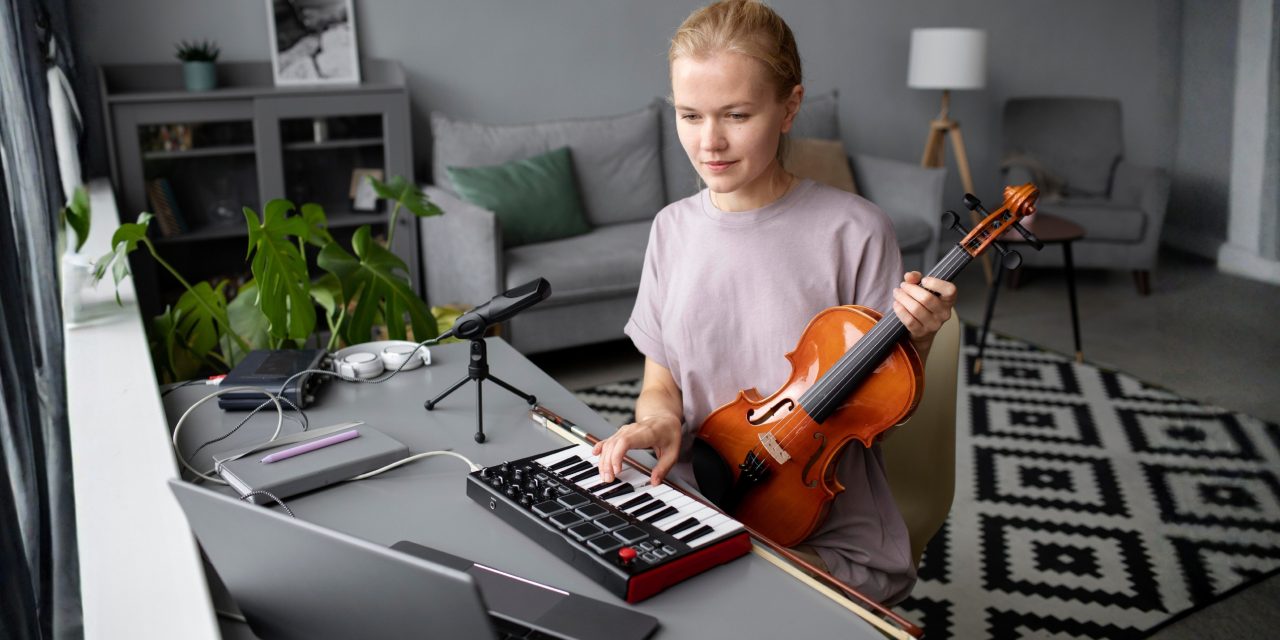
Modern soul does not happen by accident. It is carefully built, layer by layer, through intentional instrument choices that balance warmth with innovation. The right textures can transform a simple chord progression into something immersive and emotionally charged.
Today’s producers work at the intersection of analog richness and digital precision. Acoustic instruments bring depth and humanity, while synthesizers and software tools shape atmosphere and edge. Choosing the right instruments is not just technical—it defines your sonic identity.
Keys: The Harmonic Foundation of Modern Soul
Keyboard instruments remain the backbone of modern soul production. Electric pianos, synthesizers, and traditional keyboards each contribute distinct textures that shape mood and movement.
Electric pianos deliver warmth and nostalgia. Instruments like the Yamaha CP88 are prized for their expressive touch response and rich tonal character. These tones sit beautifully beneath intimate vocals, making them ideal for ballads and mid-tempo grooves.
On the other hand, analog synthesizers such as the Moog Subsequent 37 introduce depth and dimension. Their bass patches add weight, while evolving pads create atmosphere without overcrowding the mix.
The real magic happens in layering. For instance, you might use a warm electric piano for chord foundations while assigning the synth to melodic fills or subtle ambient swells. This contrast keeps the arrangement dynamic without feeling cluttered.
Effects also play a critical role. A touch of reverb can create intimacy, while delay adds motion and emotional lift. When applied thoughtfully, these treatments enhance rather than distract. The result is a textured soundscape that aligns seamlessly with modern soul aesthetics.
As harmonic layers take shape, another dimension can elevate the production even further.
Strings: Adding Depth and Emotional Weight
String instruments introduce a level of cinematic warmth that keys alone cannot replicate. Violins and cellos expand harmonic space while reinforcing emotional undertones.
In Bag Lady by Erykah Badu, string textures subtly support the narrative, deepening the song’s reflective tone. Similarly, Come Down by Anderson .Paak uses layered instrumentation to enrich groove and rhythmic movement.
When recording live strings, close-miking captures intimacy and detail. Adding a room microphone, however, introduces natural space and resonance. Balancing both techniques ensures clarity without losing warmth. When strings blend smoothly with layered keys, the arrangement gains dimension and emotional authority.
Bringing Acoustic and Digital Together
Modern soul thrives in contrast. Acoustic textures humanize the track, while digital tools refine and expand it. The key is intentional integration rather than random stacking.
Start with a harmonic core on keys. Build rhythmic or atmospheric depth with synth layers. Introduce strings where emotional emphasis is needed. Then shape the space using subtle effects and careful mixing decisions.
Every instrument should serve the mood. When each layer has purpose, the final product feels cohesive rather than crowded.
Conclusion
Choosing the right instruments is more than a technical decision. It is an artistic declaration. Electric pianos create warmth. Synthesizers add dimension. Strings deepen emotional impact. Together, they shape the signature sound of modern soul.
By balancing acoustic authenticity with digital innovation, producers can craft tracks that feel timeless yet forward-thinking. Thoughtful layering and intentional arrangement turn simple ideas into immersive sonic experiences.
Are you building tracks—or building a sound that people recognize instantly? If you’re ready to refine your production choices and elevate your modern soul identity, stay connected with DLK Soul for deeper insights into sound design.