If streams paid rent, half the indie R&B world would be homeowners by now. But since they barely cover a decent lunch, artists are learning that sustainability comes from strategy, not streams.
In today’s soul-driven scene, real success lies in how musicians layer their income — touring small venues, designing meaningful merch, licensing songs, and creating direct fan experiences. The smartest R&B artists are turning passion into portfolios, treating music not as a single hustle but as a full ecosystem.
Because when the checks from streaming platforms trickle in slower than your Wi-Fi buffer, it’s time to diversify — and that’s where the real rhythm of independence begins.
Building the Multi-Stream Income Model
Think of your income like a layered track — every element has its frequency. Live performances are your kick drum: solid, driving, irreplaceable. Merch? That’s the snare — direct and personal. Publishing and sync placements? The lush chords that give your career depth and longevity.
Start with live shows, which still pay the most immediate dividends. Whether it’s guarantees from small clubs or door deals at festivals, live gigs also feed your fan funnel — where merch and memberships thrive. Adding VIP experiences or acoustic lounge sets can turn casual listeners into patrons willing to pay for proximity.
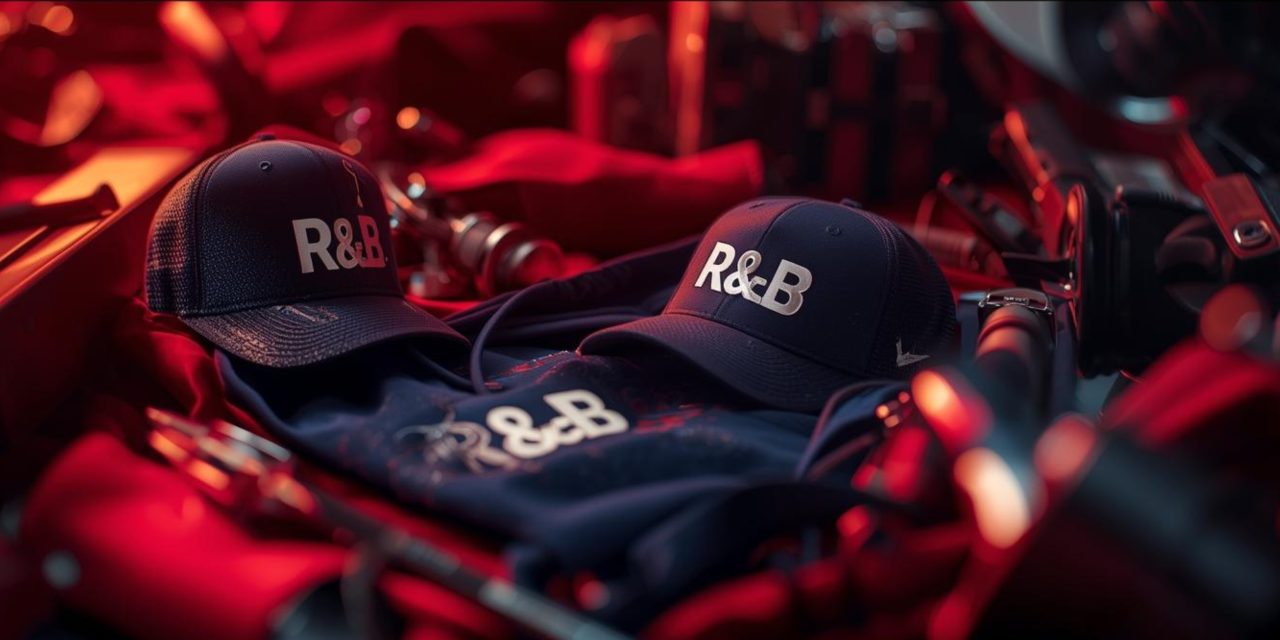
Then there’s merchandise, which is less about logo tees and more about storytelling. Intentional design — a lyric printed on a tote, or an album motif reimagined as wearable art — makes merch collectible. Fans don’t just buy fabric; they buy identity.
Publishing income remains an underused goldmine. Register with PROs (like ASCAP or BMI) and track every live setlist, no matter the crowd size. Those small checks add up. Beyond that, neighboring rights can quietly deliver recurring payouts if your songs spin overseas or in public venues.
Creative Monetization and Long-Term Strategy
Now comes the strategic layering — the subtle harmonies that make the whole track sing. Sync licensing is one of the most lucrative channels for indie R&B artists. Getting a song placed in a Netflix show or indie film not only pays upfront but drives discovery. The key is working through reputable sync agencies or pitching platforms that understand your sound and brand alignment.
Next up: direct fan support. Platforms like Patreon, Bandcamp subscriptions, or even private commissions let listeners fund your creativity directly. Some artists now offer custom voicemail greetings or personalized songs — playful, profitable, and perfectly in tune with the intimacy R&B is known for.
And then, there’s brand collaboration — but it’s not about selling out. It’s about aligning. A partnership with a local coffee brand for a “Soul Sundays” series, or a fashion label that shares your aesthetic, builds crossover visibility while keeping your message intact.
Ultimately, sustainable artistry in modern R&B is about diversification without dilution. The artists thriving today aren’t waiting for a viral spike — they’re designing a full ecosystem where every creative output has financial flow.
Conclusion
The truth? Streaming is just the tip of the iceberg — and if you’re only counting plays, you’re missing the plot. The artists who last are the ones who understand the business like they understand groove: layered, dynamic, and always evolving. When you mix live revenue, creative licensing, and fan intimacy, you’re not chasing the algorithm anymore. You’re building a legacy.How are you expanding your music hustle beyond the stream count? Find more soul-smart strategies and artist success stories at DLK Soul, where rhythm meets revenue.